The European Spring: A Continent Unrested by Cost of Living and Institutional Distrust
Simultaneous demonstrations across France, Italy, Spain, Portugal, and Albania have transformed localized grievances into a coordinated continental crisis. The movement signals a profound rejection of current economic policies and a deepening fracture between European publics and their governing establishments.
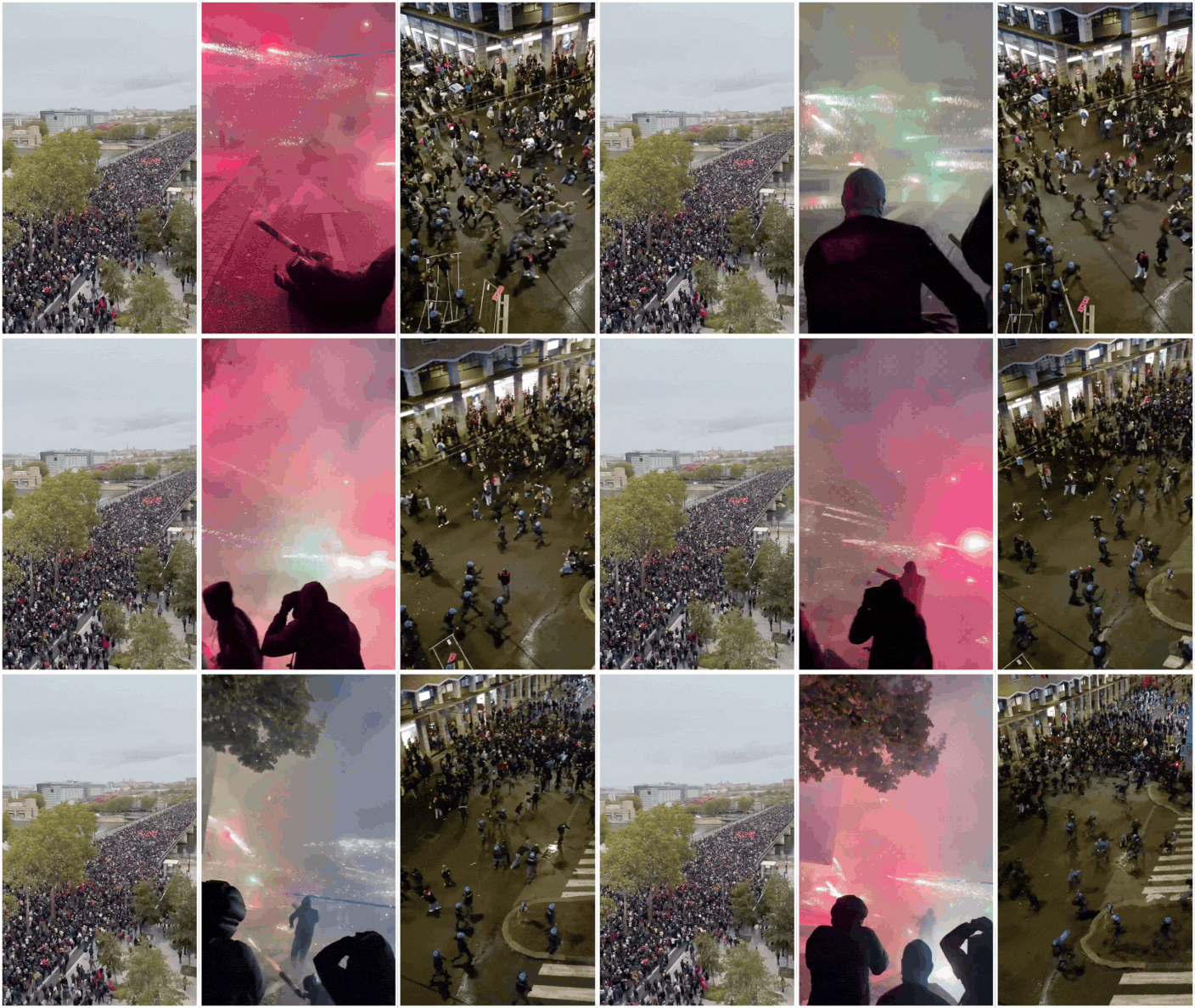
The weekend witnessed a synchronized eruption of civil unrest that defied the usual fragmentation of European protest movements. In Paris, Rome, Madrid, Lisbon, and Tirana, thousands of citizens converged on public squares, driven by a shared sense of economic precarity and political alienation. The scale of participation was not merely numerical but symbolic, as protesters from diverse national contexts adopted similar rhetoric regarding the unaffordability of basic necessities and the perceived corruption of state institutions. This convergence suggests that the underlying drivers of discontent are no longer isolated to specific national failures but are part of a broader continental malaise that transcends borders and linguistic divides.
The institutional friction is palpable, with governments struggling to distinguish between legitimate economic grievance and organized political opposition. Authorities in several of these nations have faced criticism for their heavy-handed responses, which have only served to radicalize the base of the movement. The protests are not merely about wages or rent; they are a referendum on the social contract itself. As the cost of living continues to outpace wage growth, the traditional mechanisms of political representation appear inadequate to address the immediate material needs of the populace. This gap between the lived reality of the average citizen and the policy priorities of the elite has created a vacuum that populist and anti-establishment voices are rapidly filling.
The downstream consequences of this unrest are already visible in the form of disrupted supply chains, increased security expenditures, and a chilling effect on foreign investment. Businesses in affected cities have reported significant losses, while the tourism sector, a vital economic pillar for many of these nations, faces a prolonged period of uncertainty. More critically, the political stability of these democracies is under strain, with opposition parties gaining momentum and ruling coalitions facing internal fractures. If the governments fail to implement substantive reforms that address the root causes of the discontent, the risk of sustained civil disorder and the potential for more radical political shifts remains high.
Comments 0