Air‑Quality Targets Missed in Nine NCAP Cities, Pollution Rises Sharply
Nine of ten cities under the National Capital Air Pollution (NCAP) scheme failed to meet annual coarse particulate limits, with Navi Mumbai seeing a 59.3% increase since 2019‑20. The shortfall underscores systemic gaps in enforcement and funding allocation.
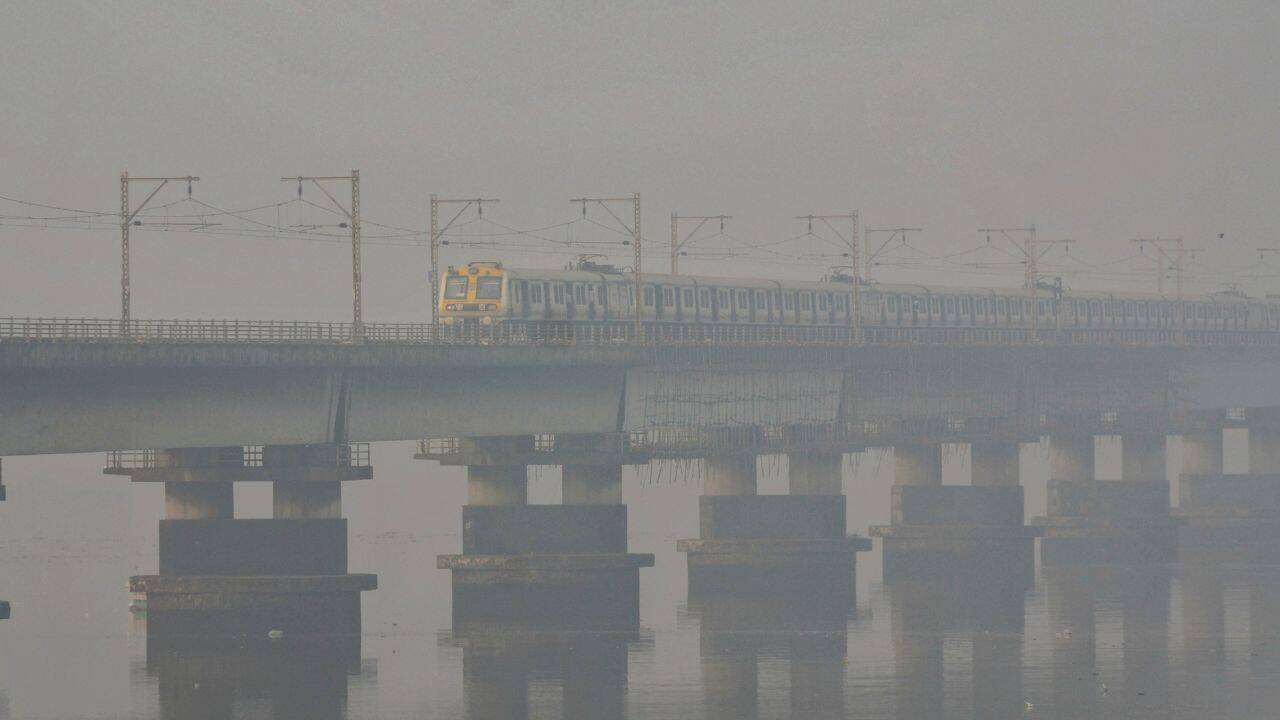
A recent audit of the NCAP programme revealed that nine out of ten monitored cities have not achieved the prescribed annual ceiling for coarse particulate matter, a benchmark intended to safeguard public health. The data highlighted a stark rise in pollution levels, most notably in Navi Mumbai where concentrations surged by 59.3 percent, and in Nashik where a 40.4 percent increase was recorded. These figures stand in stark contrast to the substantial financial outlay of over Rs 12,087 crore earmarked for pollution control measures over the past seven years.
The underlying tension stems from a complex web of institutional friction between state environmental agencies, municipal corporations, and the central Ministry of Environment. Funding disbursements have been delayed, and on‑ground implementation has suffered from inadequate monitoring infrastructure. Moreover, industrial expansion and vehicular growth have outpaced regulatory capacity, creating a feedback loop that hampers progress toward cleaner air. Legal challenges have also emerged, with citizen groups demanding stricter enforcement and transparency.
The tangible outcomes of this failure are already evident: hospitals report a rise in respiratory ailments, school absenteeism has increased during peak pollution periods, and real‑estate values in heavily affected neighborhoods have begun to decline. Economically, the cost of healthcare associated with air‑related illnesses is projected to climb, placing additional strain on state budgets. The situation calls for an urgent recalibration of policy priorities and a more robust coordination mechanism among stakeholders.
Comments 0