The Himalayan Fracture: India Demands Transparency as Tibet Quakes Reshape Border Dynamics
The Central Tibetan Administration has formally requested China to ensure transparent relief operations following a significant seismic event in the region. This diplomatic pressure highlights the deepening institutional friction between India and China over humanitarian access and border security in the high-altitude zones.
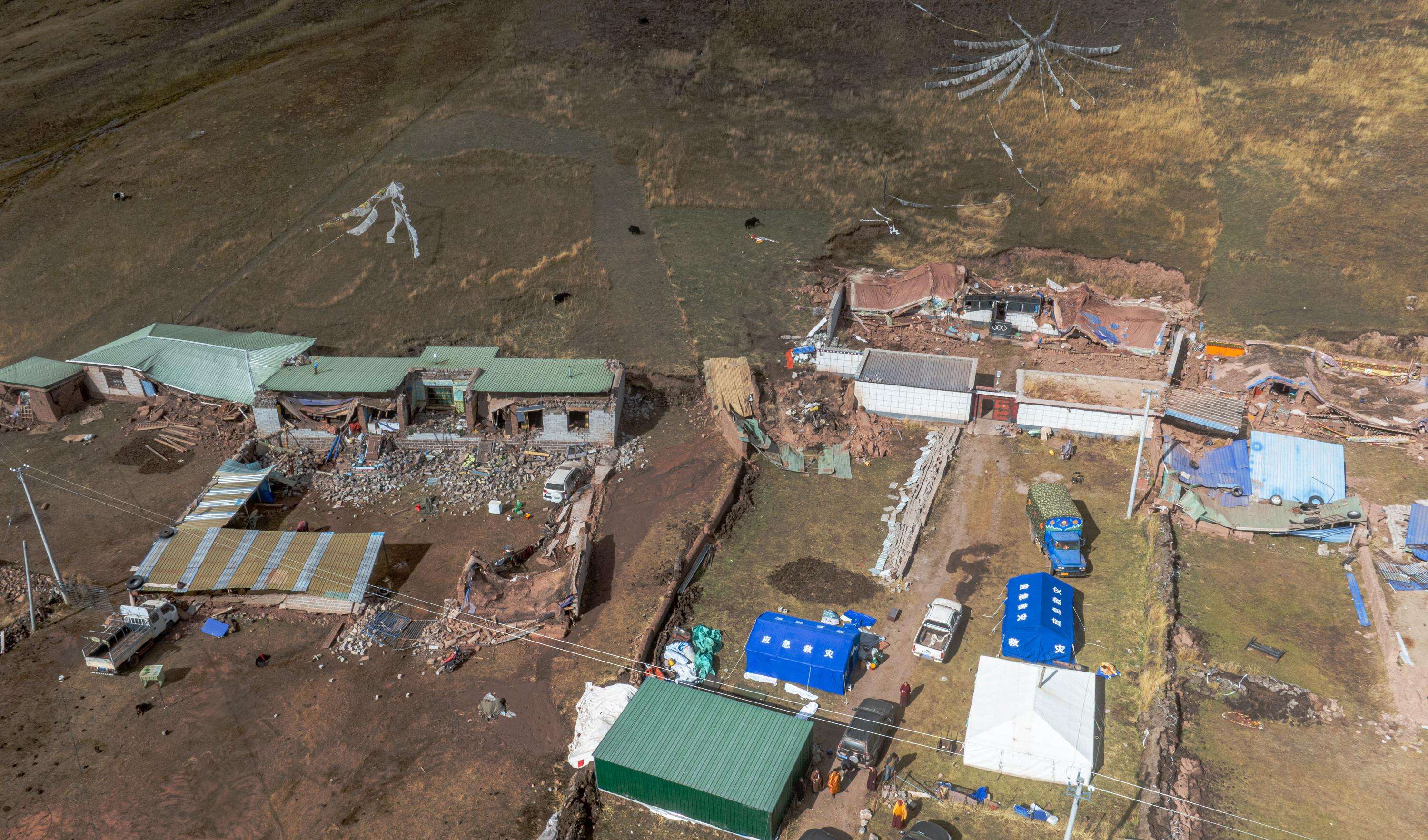
The seismic activity in Tibet has triggered an immediate and urgent diplomatic response from the Central Tibetan Administration, which has called upon the Chinese government to guarantee the transparency of its relief efforts. This demand is not merely a humanitarian gesture but a strategic move to monitor the flow of resources and personnel in a region that sits directly adjacent to India's sensitive border areas. The administration's insistence on open channels reflects a broader anxiety about the opacity that often characterizes state responses in disputed or sensitive territories, where information control is as critical as physical reconstruction.
The underlying tension here is rooted in the complex geopolitical architecture of the Himalayan region, where natural disasters are frequently viewed through the lens of strategic advantage. India's position is complicated by its own border disputes with China, making any large-scale mobilization of resources in Tibet a matter of significant intelligence interest. The friction extends beyond the immediate relief operation, touching on long-standing issues of sovereignty, surveillance, and the rights of the Tibetan population, who have historically faced restrictions on movement and communication during crises.
The downstream consequences of this earthquake and the subsequent diplomatic maneuvering could reshape the security posture along the Line of Actual Control. If China restricts access to international aid or media, it may further isolate the region and heighten suspicions of military buildup under the guise of reconstruction. For India, this event serves as a reminder of the fragility of the borderlands and the need for robust disaster response mechanisms that can operate independently of political negotiations. The tangible outcome is a heightened state of alert among border forces and a renewed focus on the logistical challenges of operating in such extreme environments.
Comments 0