The Shadow of the Bomb: Former US General Warns of Iran's Nuclear Resurgence
A former United States general has issued a stark warning that Iran is actively rebuilding its nuclear program, describing the regime as diabolical and a direct threat to regional stability. This assessment underscores the failure of recent diplomatic efforts to contain Tehran's strategic ambitions.
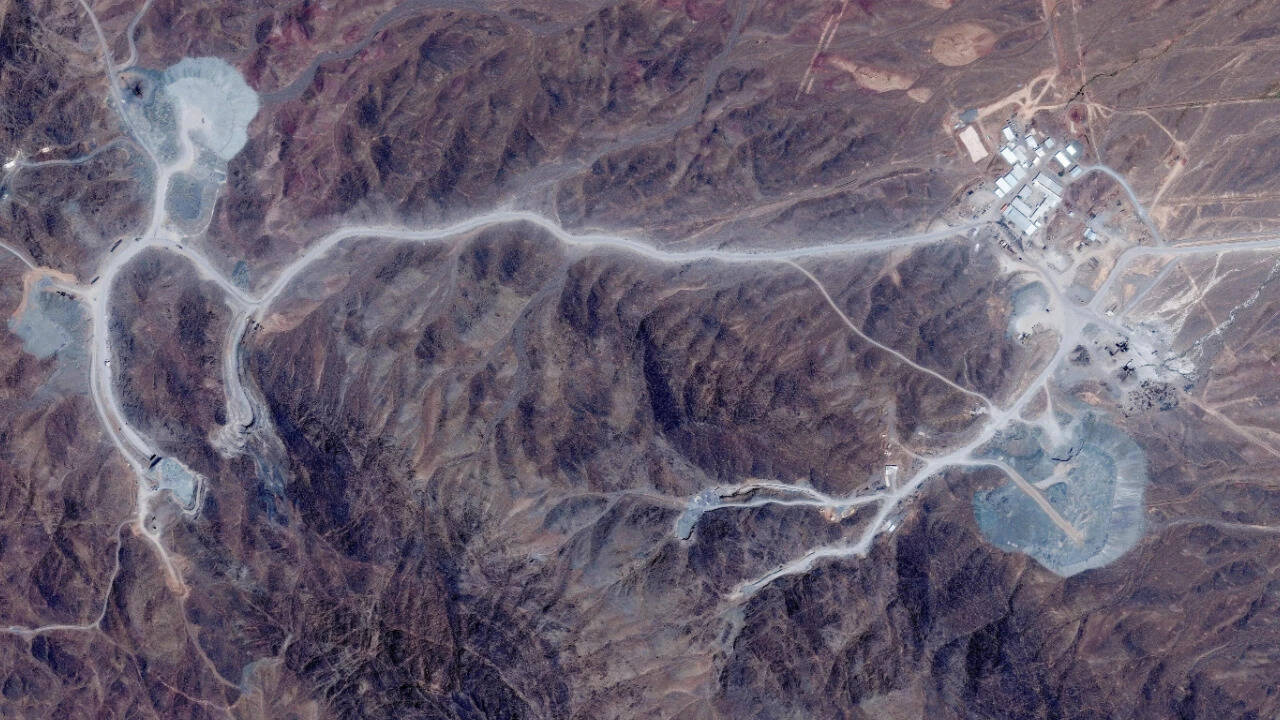
The warning from a retired US general lands with the weight of institutional memory, asserting that Iran is not merely maintaining but actively reconstructing its nuclear capabilities. This is not a speculative claim but a strategic assessment based on intelligence that suggests the regime is moving to close the gap to a nuclear weapon. The characterization of the Iranian leadership as a diabolical regime reflects a deep-seated distrust that has hardened over decades of failed negotiations and proxy conflicts, framing the issue as one of existential threat rather than mere policy disagreement.
The underlying tension is rooted in the collapse of the Joint Comprehensive Plan of Action and the subsequent vacuum in oversight. Without the constraints of the deal, Iran has had the freedom to enrich uranium to higher levels and develop advanced centrifuges, actions that were previously prohibited. The institutional friction is evident in the divided responses from the international community, where some nations seek to re-engage diplomatically while others, including the US and Israel, advocate for a more confrontational approach that includes the threat of military action.
The tangible outcome of this resurgence is a heightened state of alert across the Middle East, with defense budgets swelling and alliances being tested. The risk of a miscalculation is no longer theoretical; it is a daily reality for regional powers who must now plan for a nuclear-armed Iran. This shift in the strategic balance will likely lead to an arms race in the region, with neighboring states feeling compelled to develop their own deterrents, thereby destabilizing the entire geopolitical architecture of the Middle East.
Comments 0