USDA's Chip-Enabled SNAP Cards: A Digital Lock on Food Security
The Trump administration is pushing for a major upgrade to SNAP benefits, introducing chip-enabled cards to combat fraud. This move seeks to tighten control over federal food assistance, raising concerns about the digital exclusion of vulnerable populations.
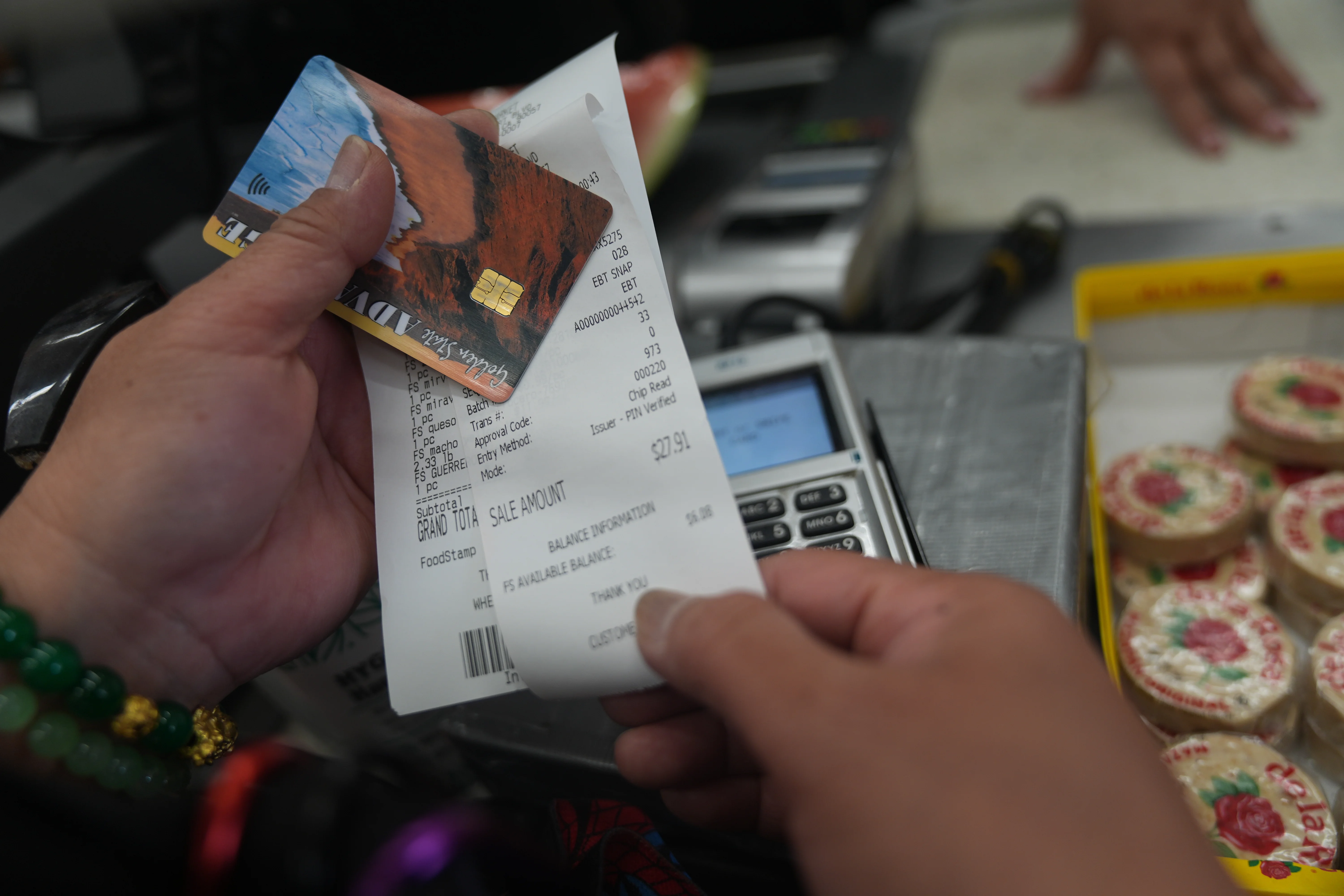
The US Department of Agriculture is proposing a significant overhaul of the Supplemental Nutrition Assistance Program (SNAP) by introducing chip-enabled Electronic Benefit Transfer (EBT) cards. This initiative, framed as a measure to combat fraud, represents a major shift in how federal food assistance is administered, moving from a relatively open system to one with enhanced digital tracking and control. The administration argues that this upgrade will prevent the diversion of benefits and ensure that funds are used for their intended purpose, thereby saving taxpayer money.
The underlying tension in this policy is the balance between administrative efficiency and the dignity of the recipients. Critics argue that the increased surveillance and control inherent in the chip-enabled system may stigmatize beneficiaries and create new barriers to access, particularly for those without reliable internet access or digital literacy. The institutional friction is compounded by the political context, where the move is seen by some as an attempt to shrink the safety net under the guise of fraud prevention, potentially leaving the most vulnerable populations without adequate support.
The tangible outcome of this policy will be a more tightly controlled distribution of food assistance, with the potential for reduced fraud but also for increased administrative burden on both the state and the recipients. For the millions of Americans who rely on SNAP, the change may mean a more complex and less flexible process for accessing their benefits. The downstream consequence is a potential increase in food insecurity among those who are unable to navigate the new digital requirements, highlighting the risks of applying technological solutions to social problems without adequate safeguards.
Comments 0