The Tata Power Tussle Shakes the Foundations of Indian Industrial Governance
The intricate power struggle between Tata Sons and the philanthropic Tata Trusts exposes deep fissures at the pinnacle of India's most storied conglomerate. Chairman N. Chandrasekaran secured a contentious five-year extension, yet the structural tension between commercial maximization and charitable control remains acute.
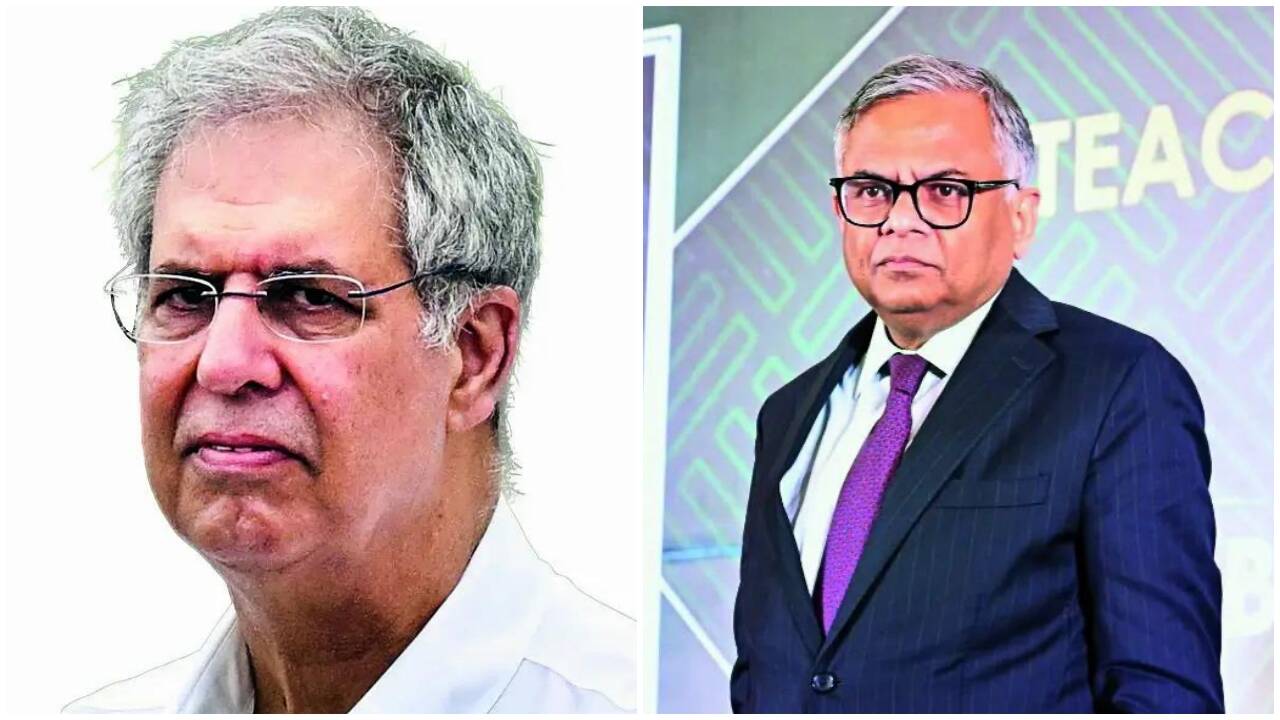
The inner sanctum of Bombay House has rarely witnessed such intense institutional friction as the governance debate over leadership continuity and trust ownership crystallized. At the heart of the standoff lies the delicate balance between the commercial imperative of Tata Sons and the foundational mandate of the Tata Trusts, which hold the ultimate voting power. The board room negotiations revealed conflicting visions regarding executive autonomy versus philanthropic stewardship, forcing a public reckoning over who truly steers the sprawling industrial empire. For decades, the dual-structure model functioned through consensus and unwritten elite agreements, but modern market pressures and succession realities have strained these ancient ties. The friction intensified as institutional investors demanded greater transparency regarding ownership influence, while the trusts sought to preserve their historic oversight role. This clash exposes the vulnerability of legacy governance models operating within contemporary global markets, where swift capital allocation often collides with archaic trustee privileges. The resulting compromise ensures operational continuity under the current executive, but it leaves underlying governance questions permanently unresolved. The corporate ecosystem now watches closely, realizing that any future shift in trust leadership could abruptly alter India's macroeconomic . The episode serves as a cautionary tale for family-influenced conglomerates attempting to institutionalize professional management without diluting ancestral control.
Comments 0