The Temple Board Dispute: A Supreme Court Plea Over the Deepathoon Lamp
A legal challenge in the Supreme Court seeks to direct the lighting of the Deepathoon lamp using a flame from the burning deepam at Uchipillaiyar, highlighting a deep-seated conflict between temple authorities and devotees. This case reflects the ongoing tensions over religious rituals and institutional control in South Indian temples.
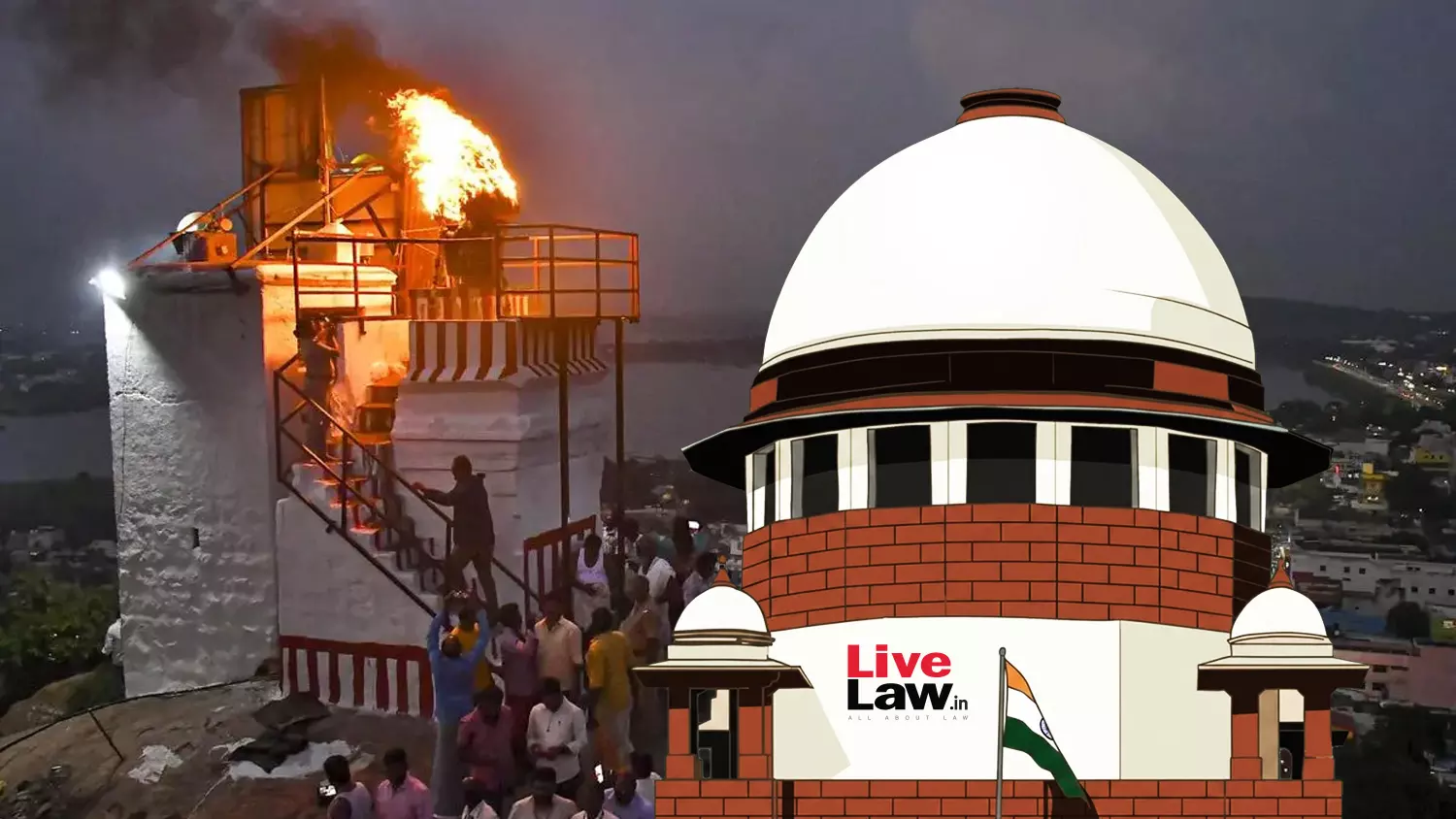
The concrete rupture in the religious and legal of Tamil Nadu is a plea filed in the Supreme Court regarding the lighting of the Deepathoon lamp at the Uchipillaiyar temple. The applicant contends that four sthanikars, or priests, have denied approving the resolution of the Temple Board of Trustees, leading to a legal impasse. This dispute is not merely about a ritual but about the authority and legitimacy of the temple's governing body.
The underlying tension is the long-standing conflict between the state's temple management authorities and the traditional priestly class, who often feel their religious autonomy is being eroded. Institutional friction is evident in the legal maneuvering, as both sides seek to assert their dominance over the temple's rituals and finances. The case highlights the complex interplay of religion, law, and politics in the management of India's sacred spaces.
The downstream outcomes include a potential legal precedent that could affect the management of other temples in the state. The case also serves as a reminder of the deep-seated cultural and religious sentiments that underpin such disputes. It underscores the need for a balanced approach that respects both the traditional roles of priests and the modern governance structures of temple boards.
Comments 0