The Village Air: Rural India Faces a Hidden Pollution Crisis
New data reveals that PM2.5 concentrations in Indian villages are nearly 20 percent higher than in urban belts, challenging the long-held assumption that rural areas are cleaner than cities. This finding exposes a severe public health crisis in the countryside, where the lack of monitoring infrastructure and industrial regulation has allowed particulate matter to accumulate to dangerous levels.
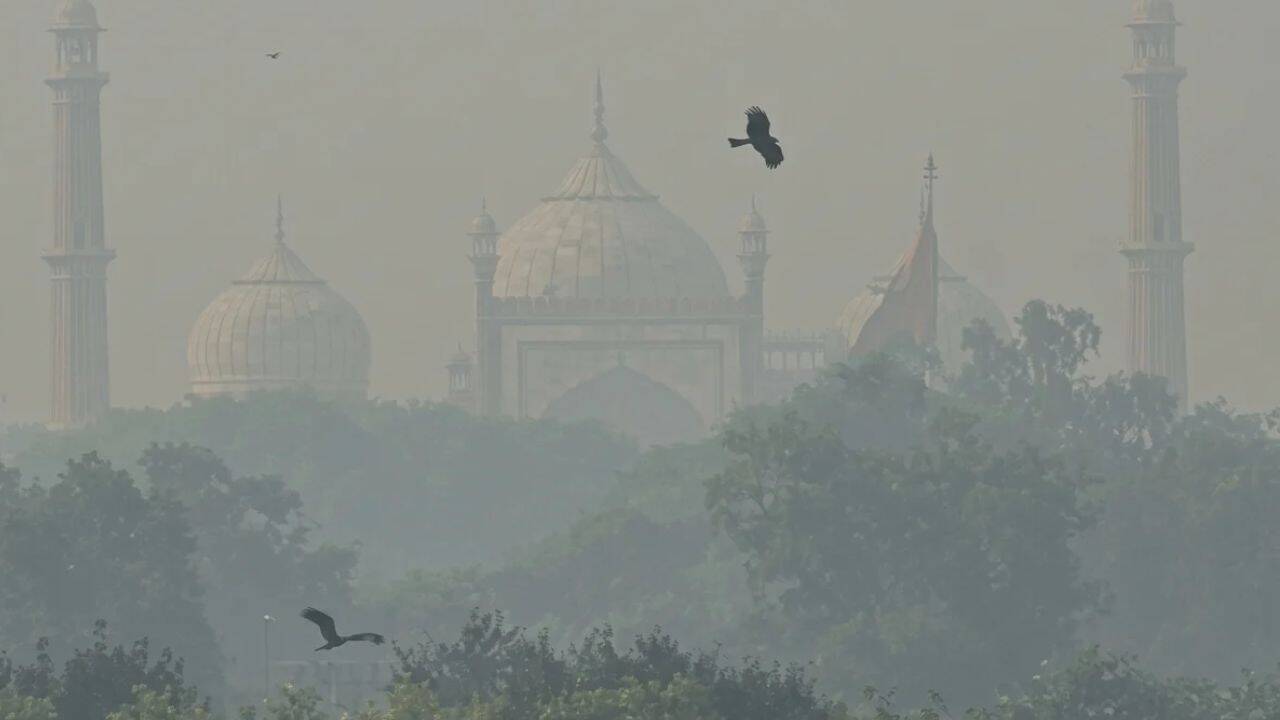
The concrete rupture in public health perception is the realization that the countryside, traditionally viewed as a refuge from urban smog, is actually a hotspot for fine particulate matter. Recent studies indicate that PM2.5 levels in villages are significantly higher than those in major metropolitan areas, a finding that contradicts the common narrative of rural purity. This data points to a complex mix of agricultural burning, biomass cooking, and localized industrial activity that has gone largely unmeasured and unregulated, creating a silent crisis that affects millions of residents who lack access to the same health resources as their urban counterparts.
The underlying tension stems from the institutional blind spots in environmental monitoring, which have historically focused on urban centers and industrial zones. The friction between the reality of rural pollution and the policy frameworks designed to address urban air quality has left a vast gap in regulatory oversight. This institutional failure is compounded by the lack of public awareness and the difficulty in attributing specific sources of pollution in decentralized rural settings, making it challenging for authorities to implement targeted interventions or enforce existing environmental laws.
The downstream casualties of this hidden crisis are the rural populations who are exposed to higher levels of respiratory and cardiovascular risks without the benefit of comprehensive healthcare systems. The tangible outcome is a growing burden on the public health sector, with increased rates of asthma, chronic obstructive pulmonary disease, and other respiratory ailments that are directly linked to long-term exposure to high PM2.5 levels. This finding necessitates a fundamental rethinking of environmental policy, requiring the extension of monitoring networks and regulatory enforcement to rural areas to address the true scale of the pollution problem in India.
Comments 0