Tragedy in Hyderabad Spotlights Urban Cash Depletion and Street Level Violence
A routine transit dispute over a ten rupee coin escalated into a fatal assault in Hyderabad. This incident highlights the volatile social friction generated by currency scarcity and urban economic stress.
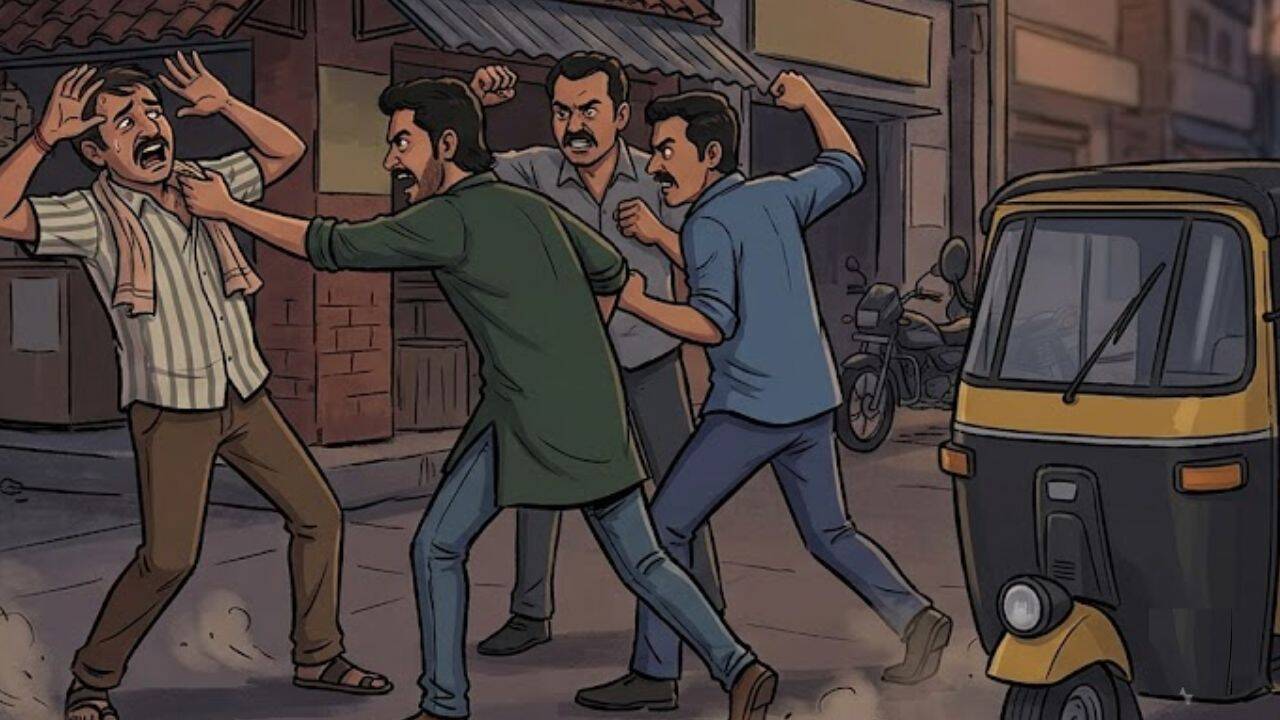
The streets of Hyderabad witnessed a shocking display of lethal violence when an auto-rickshaw driver was beaten to death over a minor dispute regarding loose change. What should have been a mundane financial transaction devolved into a brutal confrontation outside a crowded transit hub. Witnesses reported that an argument over a ten rupee discrepancy triggered an immediate physical escalation by passengers frustrated by prevailing cash shortages and daily economic anxieties. Local law enforcement swiftly apprehended the suspects, but the episode laid bare deeper social pathologies festering within metropolitan transit networks. Urban transport operators navigate daily exhaustion amid stagnant fares and escalating fuel costs, leaving them vulnerable to sudden outbursts of commuter rage. Municipal authorities face mounting criticism for failing to maintain public order and for ignoring the infrastructural decay affecting informal labor markets across the city. Systemic reforms for urban public transport protection remain absent, leaving thousands of independent operators exposed to street-level hostility. Civil society organizations are demanding urgent intervention to address the psychological toll of urban poverty. The long-term consequence is an atmosphere of pervasive distrust between service providers and the commuting public.
Comments 0