Tragic Fatality at Lalbaugcha Raja Queue Highlights Crowd Management Vulnerabilities
A devotee suffered a fatal cardiac arrest while standing in the dense queue outside Mumbai's renowned Lalbaugcha Raja pandal. The incident reignited urgent debates regarding crowd control methodologies and emergency medical preparedness during mega-religious festivals.
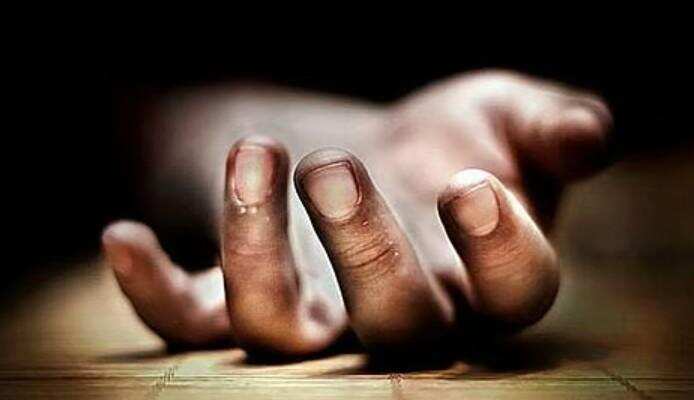
A routine pilgrimage turned fatal in Mumbai when a visiting pilgrim from Pune collapsed and succumbed to a suspected heart attack within the congested serpentine queues of the Lalbaugcha Raja pandal. Emergency medical personnel struggled to extract the victim through the dense human barrier, underscoring the severe logistical challenges inherent in managing millions of devotees during peak festive seasons. The tragedy instantly shifted public discourse from festive celebration to systemic safety accountability. This event lays bare the persistent friction between temple trust organizers, municipal corporations, and law enforcement agencies over crowd management jurisdiction. While organizers prioritize maximizing pilgrim throughput, municipal safety auditors frequently highlight inadequate emergency evacuation routes and deficient medical triage stations within high-density zones. Volunteers and police personnel are routinely left overextended, forced to manage medical emergencies without adequate crowd clearance protocols. The immediate human casualty is a grieving family, but the broader institutional consequence is mounting pressure for mandatory safety audits across all major religious assemblies. Future mega-events in Maharashtra will face stringent regulatory oversight regarding queue design, maximum occupancy limits, and on-site emergency medical infrastructure.
Comments 0