Trump Sets a Deadline for Tehran: The Threat of Post-Holiday War
The US President has warned that military strikes on Iran will commence after the New Year if diplomatic negotiations continue to stall. This ultimatum signals a shift from verbal posturing to a concrete timeline for potential kinetic engagement in the Middle East.
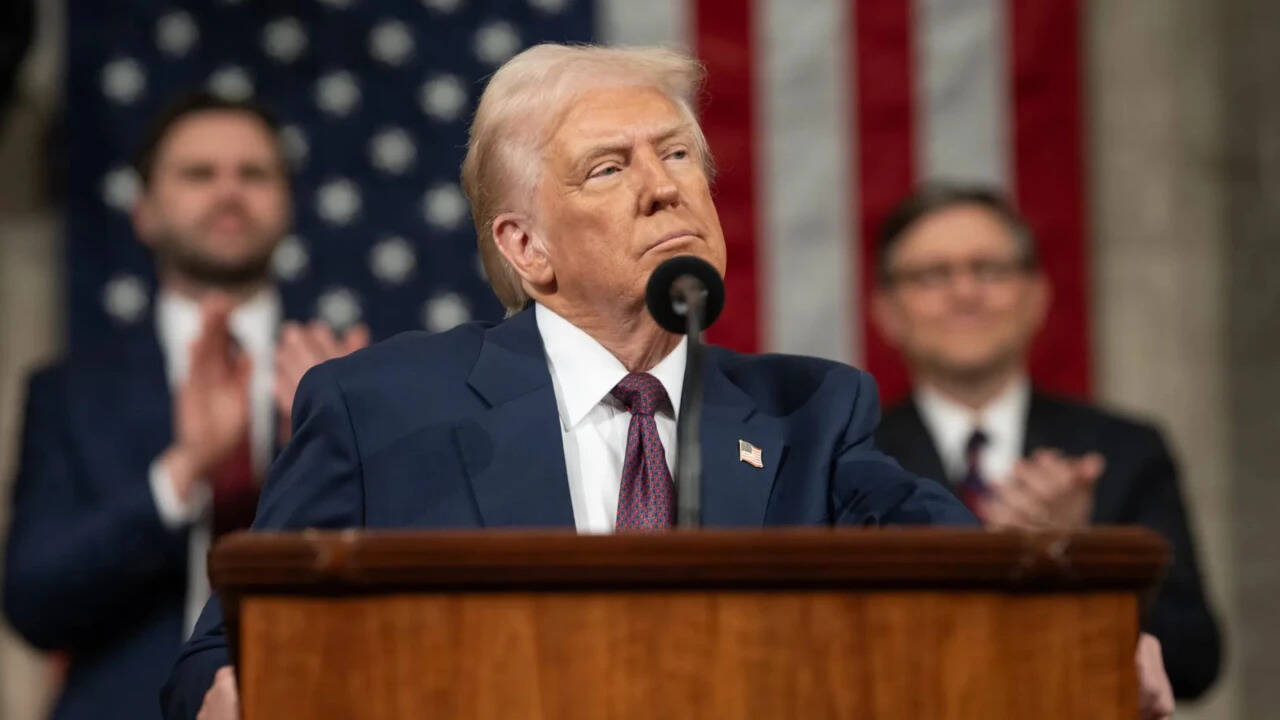
The concrete rupture in the current diplomatic standoff is the explicit temporal boundary set by Washington. By linking the potential for fresh strikes to the calendar date of the New Year, the administration has transformed an open-ended negotiation into a ticking clock. This move removes the ambiguity that has characterized recent exchanges, forcing Tehran to recognize that the window for purely diplomatic resolution is closing rapidly. The accusation that Iranian officials are stalling negotiations provides the rhetorical justification for this hardening of posture, framing the delay not as a procedural hurdle but as an act of bad faith that warrants military consequence.
The underlying tension here is not merely about nuclear capabilities or regional influence, but about the credibility of deterrence in a post-hegemonic era. The institutional friction arises from the gap between the US desire for a swift, decisive outcome and the Iranian strategy of protracted engagement to exhaust American political will. This friction is exacerbated by the domestic political calculus in Washington, where a failure to act decisively before the holiday season could be interpreted as weakness. The military apparatus is being primed for action, creating a pressure cooker environment where any minor miscalculation could trigger an immediate escalation that bypasses the intended diplomatic track.
The downstream casualties of this trajectory are the stability of the region and the economic security of global energy markets. If talks fail and strikes commence, the immediate shockwave will be felt in oil prices, with potential spikes that could disrupt supply chains worldwide. The human cost will be borne by populations in Iran and neighboring states, who face the prospect of a new wave of conflict. For India, the implications are significant, given its heavy reliance on Middle Eastern energy imports and its strategic interest in regional stability. The outcome of this deadline will determine whether the next year begins with a fragile peace or a renewed cycle of violence.
Comments 0