UK Approves Jackdaw Gas Field Amid Deepening Energy Crisis
The British government has granted approval for the development of the Jackdaw gas field, a significant move in the North Sea. This decision aims to bolster domestic energy supplies as the crisis deepens, drawing sharp criticism from environmentalists.
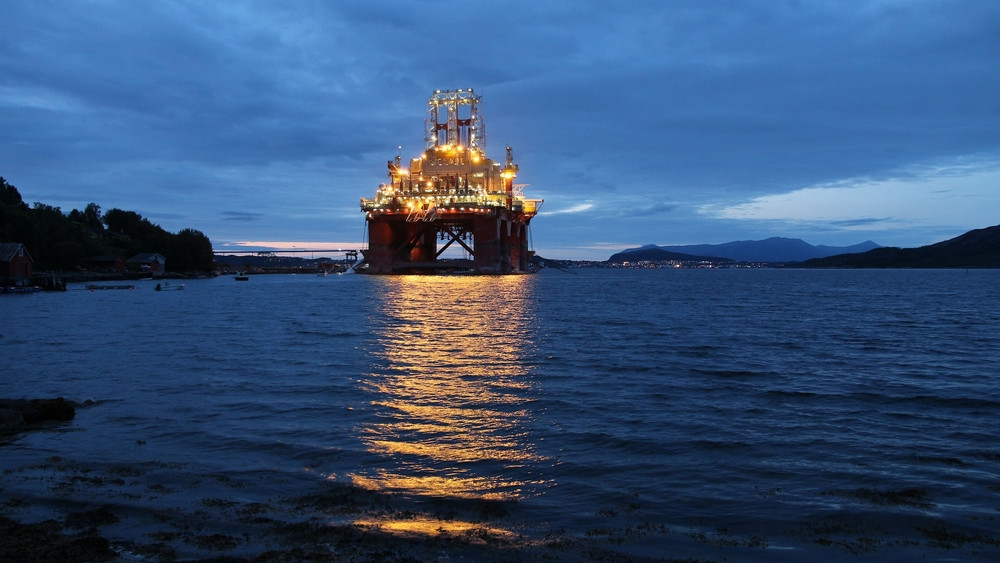
The United Kingdom has taken a decisive step to secure its energy independence by approving the development of the Jackdaw gas field in the North Sea. This is the first new North Sea project to receive approval since the recent geopolitical tensions hiked energy prices, signaling a shift in policy toward domestic production. The field is expected to begin supplying gas to British homes and businesses by the end of the year, providing a much-needed buffer against volatile global markets. The decision is a direct response to the energy crisis, which has exposed the vulnerabilities of the UK's reliance on imported fuels.
The approval has ignited a fierce debate between energy security and environmental responsibility. Left-wing politicians and environmentalists have criticized the move, arguing that it contradicts the UK's commitments to net-zero emissions. They contend that investing in new fossil fuel infrastructure locks the country into a carbon-intensive future, hindering the transition to renewable energy. The government, however, maintains that the Jackdaw project is essential for maintaining energy security and keeping prices stable for consumers. This tension reflects a broader global struggle to balance immediate economic needs with long-term climate goals.
The tangible outcome of this decision is a potential increase in domestic gas production, which could help stabilize energy prices and reduce the UK's dependence on imports. However, the environmental cost is significant, as the development of the Jackdaw field will likely result in increased carbon emissions. The downstream impact may include a delay in the adoption of renewable energy technologies, as the availability of cheap gas reduces the urgency to invest in cleaner alternatives. The political and economic implications of this decision will be felt for years, shaping the UK's energy policy and its role in the global energy market.
Comments 0