India Faces Acute Coal Supply Squeeze Amid Surging Power Demand
Indian power generators are confronting a severe coal supply deficit, with half of the country's thermal fleet operating on critically low stocks due to unusually high electricity demand. This energy crunch threatens to disrupt industrial output and residential power supply as warmer weather drives consumption beyond seasonal norms.
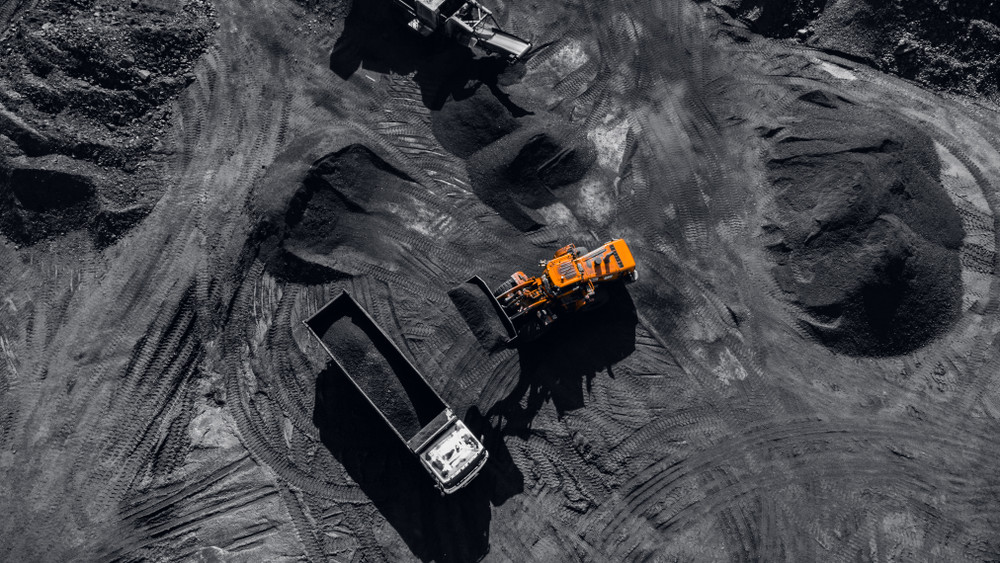
The current energy crisis in India is characterized by a stark mismatch between coal supply and the surging demand for electricity. With half of the nation's coal power plants running on minimal reserves, the risk of load shedding and industrial shutdowns has become a tangible reality. This situation is exacerbated by warmer than usual temperatures, which have increased the use of air conditioning and other electrical appliances, pushing consumption levels beyond what the grid was prepared to handle. The immediate consequence is a strain on the power sector's ability to meet the basic needs of the population and the industrial base.
The underlying tension in this crisis stems from structural inefficiencies in India's coal logistics and mining operations. Despite being a major coal producer, the country faces challenges in transporting the fuel from mines to power plants, often due to infrastructure bottlenecks and regulatory hurdles. The institutional friction between the Ministry of Coal and power utilities has historically led to delays in supply contracts and price negotiations, leaving generators vulnerable to sudden spikes in demand. This lack of a robust buffer stock policy has left the system exposed to weather driven demand shocks.
The downstream casualties of this coal squeeze will be felt most acutely by energy intensive industries such as steel, cement, and textiles, which may face production cuts or increased operational costs. The tangible outcome is a potential slowdown in industrial growth, which could have broader implications for India's economic trajectory. The crisis also highlights the urgent need for diversification into renewable energy sources to reduce dependence on volatile fossil fuel supplies and enhance the resilience of the national power grid.
Comments 0