Urban Infrastructure Under Siege as Dilapidated Buildings Evolve Into Metropolitan Hazards
Rapid urbanization across Indian metropolitan centers has created a dangerous backlog of structurally compromised buildings. Municipal authorities face mounting legal and logistical hurdles as aging residential and commercial structures transform into systemic hazards for urban populations.
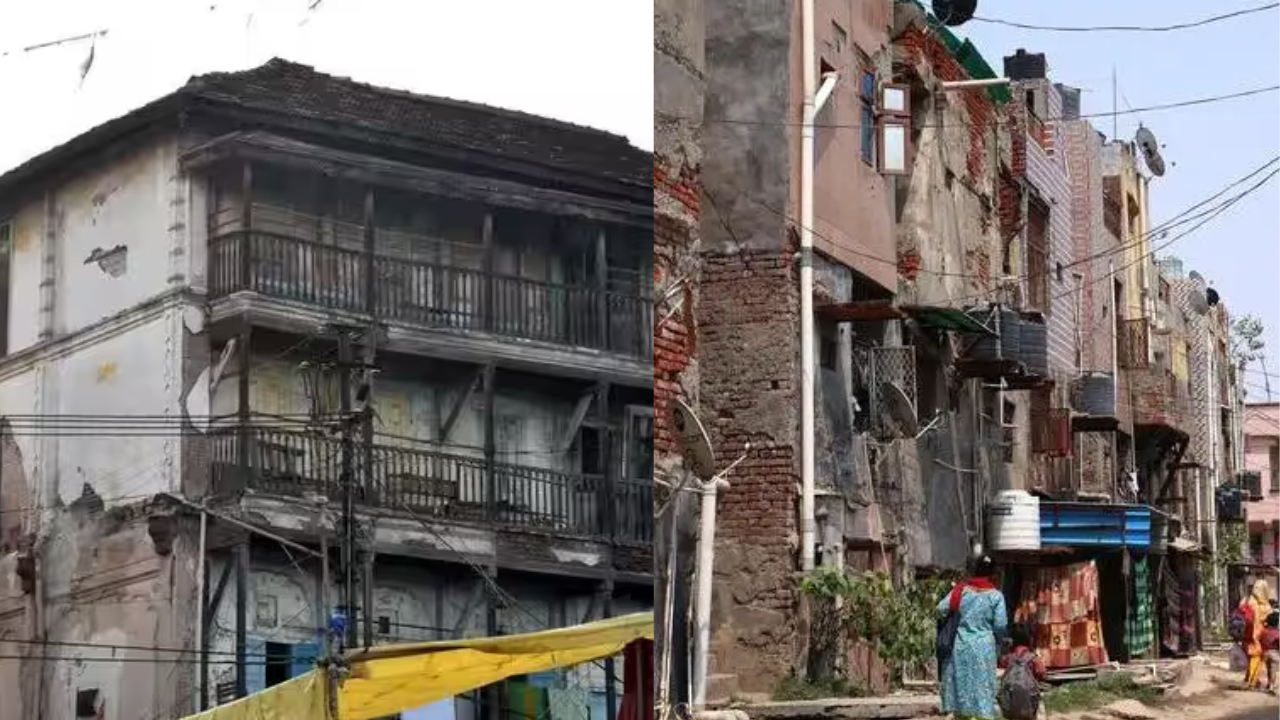
The architectural of India's major urban centers is concealing an escalating safety crisis defined by decades of unregulated construction and municipal neglect. Aging residential blocks and commercial complexes, particularly within older municipal zones, suffer from severe structural fatigue, outdated electrical wiring, and a complete absence of seismic retrofitting. Municipal bodies frequently issue reactive notices only after structural failures occur, revealing a profound systemic inability to enforce basic building codes proactively. At the heart of this urban decay lies a complex web of lax municipal oversight, exploitative landlord-tenant litigation, and widespread bureaucratic corruption. Building safety audits remain sporadic and toothless, often obstructed by complex property ownership disputes and powerful real estate lobbies that resist mandatory demolition orders. When municipal authorities do attempt to evict occupants from dangerous properties, they encounter immense resistance from residents who have nowhere else to go within increasingly unaffordable urban housing markets. The tangible outcome of this institutional paralysis is an ongoing toll on human safety, disproportionately affecting economically vulnerable tenants who cannot afford alternative housing. Without comprehensive legislative overhauls empowering municipal bodies to seize and rebuild hazardous properties, metropolitan centers will continue to experience catastrophic structural collapses. The ultimate burden falls upon urban planners, who must reconcile the desperate need for aggressive urban renewal with the rights of displaced city dwellers.
Comments 0