Urban Infrastructure Vulnerability; Emergency Evacuation Follows Residential Building Tilt in Gopanpally
Eight residents were safely evacuated after a four-storey residential structure erected on a compact fifty-square-yard plot tilted dangerously in Gopanpally. This incident exposes the lethal hazards of unregulated high-density vertical construction on substandard urban foundations.
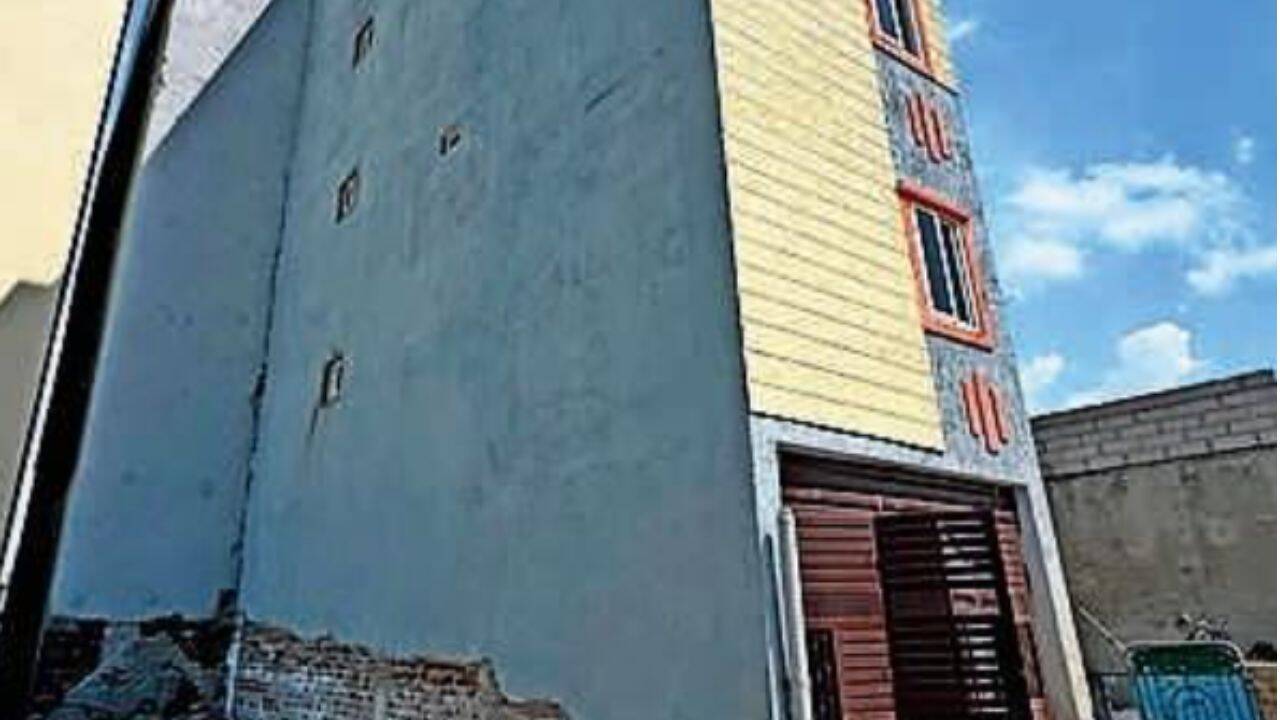
The relentless demographic expansion of India's technology hubs has triggered an intense speculative boom in urban real estate, leading to frantic vertical construction on microscopic land parcels. In Gopanpally, the structural integrity of a four-storey residential building collapsed under its own weight, tilting precariously against adjacent properties after subterranean soil shifting compromised its shallow foundation. Quick-action emergency responders prevented loss of life by evacuating occupants minutes before structural fracture occurred, yet the event laid bare the systemic dangers plaguing informal urban development. This structural failure highlights acute regulatory negligence and municipal oversight corruption within rapidly urbanizing peripheries. Builders routinely flout statutory soil testing mandates, structural engineering clearances, and permissible floor-space index limits, exploiting bureaucratic indifference to maximize rental yields from minimal acreage. Municipal authorities find themselves overwhelmed by the sheer volume of unauthorized construction, reacting with emergency demolitions only after structural catastrophes threaten public safety. The tangible aftermath of the Gopanpally incident will trigger temporary municipal audits of high-density micro-plots across the zone, resulting in targeted demolition notices for structurally compromised tenements. However, unless structural safety enforcement is digitized and rigorously decoupled from municipal corruption, similar foundation failures will remain an inevitable hazard of unregulated urban expansion.
Comments 0