Uttar Pradesh Assembly Preparations Ignite Fierce Contests for Minority Electoral Blocks
Regional opposition parties face mounting disruption as minority-focused political factions aggressively pursue independent alliances ahead of state polls. This fragmentation threatens to divide the anti-incumbent voting bloc, creating strategic opportunities for the ruling majority.
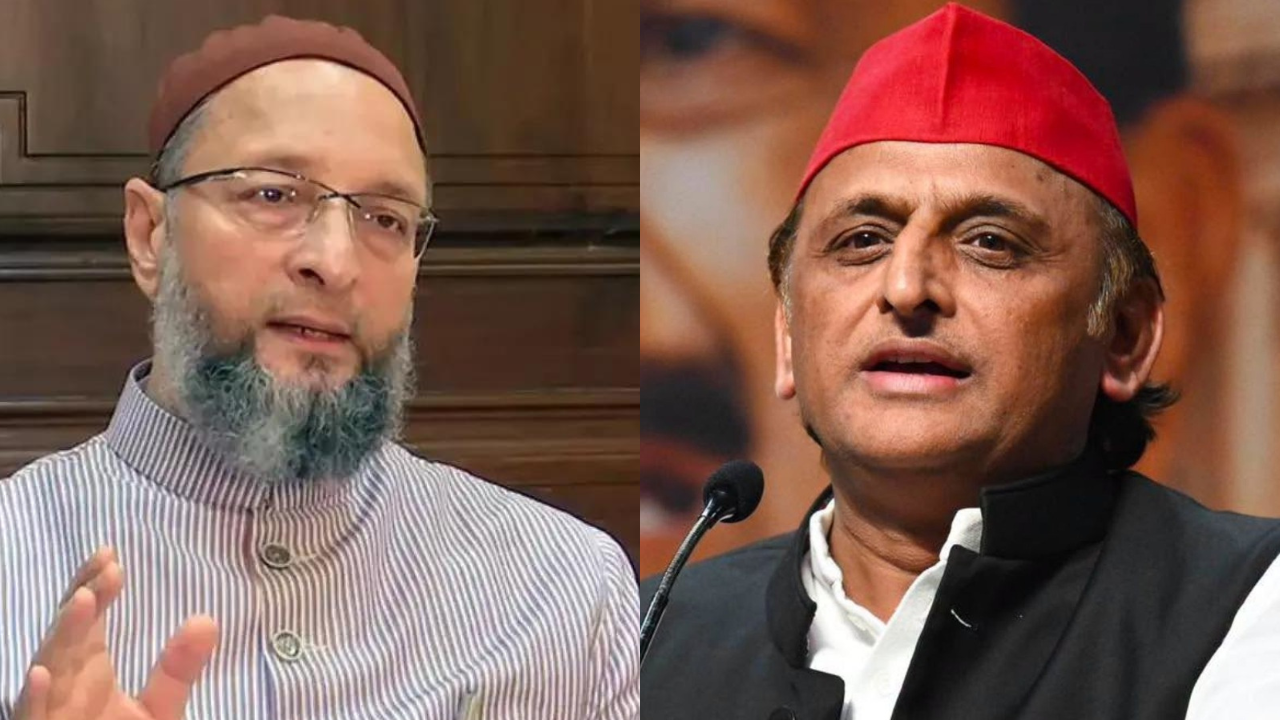
The electoral calculus in India's most populous state is undergoing rapid transformation as minority political organizations stake out autonomous positions. Asaduddin Owaisi's AIMIM has initiated aggressive outreach to build alternative coalitions, directly challenging the traditional hegemony of regional heavyweights like the Samajwadi Party and Congress over Muslim voters. This maneuvering shatters the long-standing assumption of a unified opposition vote bank, introducing profound unpredictability into the upcoming legislative contests. At the heart of this friction is a deep ideological and tactical distrust between secular regional parties and assertive minority formations. Mainstream opposition leaders accuse splinter groups of acting as vote-splitters that inadvertently benefit the ruling Hindu-nationalist majority. Conversely, minority organizers argue that traditional parties treat their constituencies as passive electoral assets without offering proportional representation in candidate selection or governance structures. The tangible outcome of this fractured opposition is a widening opening for the ruling party to consolidate its electoral advantage through minimal vote-share margins. Unless regional parties successfully negotiate seat-sharing pacts, the proliferation of independent minority candidates will dilute the anti-incumbent tally. This structural division ensures that the battle for Uttar Pradesh will be decided less by sweeping ideological waves and more by microscopic demographic arithmetic.
Comments 0