WhatsApp group, Telegram channel, Masood Azhar audio clips: How a 33-year-old Rapido rider landed on ATS radar
A 33‑year‑old Rapido rider was placed under investigation by the Anti‑Terrorism Squad after authorities linked his online activity to extremist material. The case highlights how messaging platforms are being used in security probes. The rider’s involvement was uncovered through a combination of WhatsApp groups, a Telegram channel and audio clips allegedly featuring Masood Azhar.
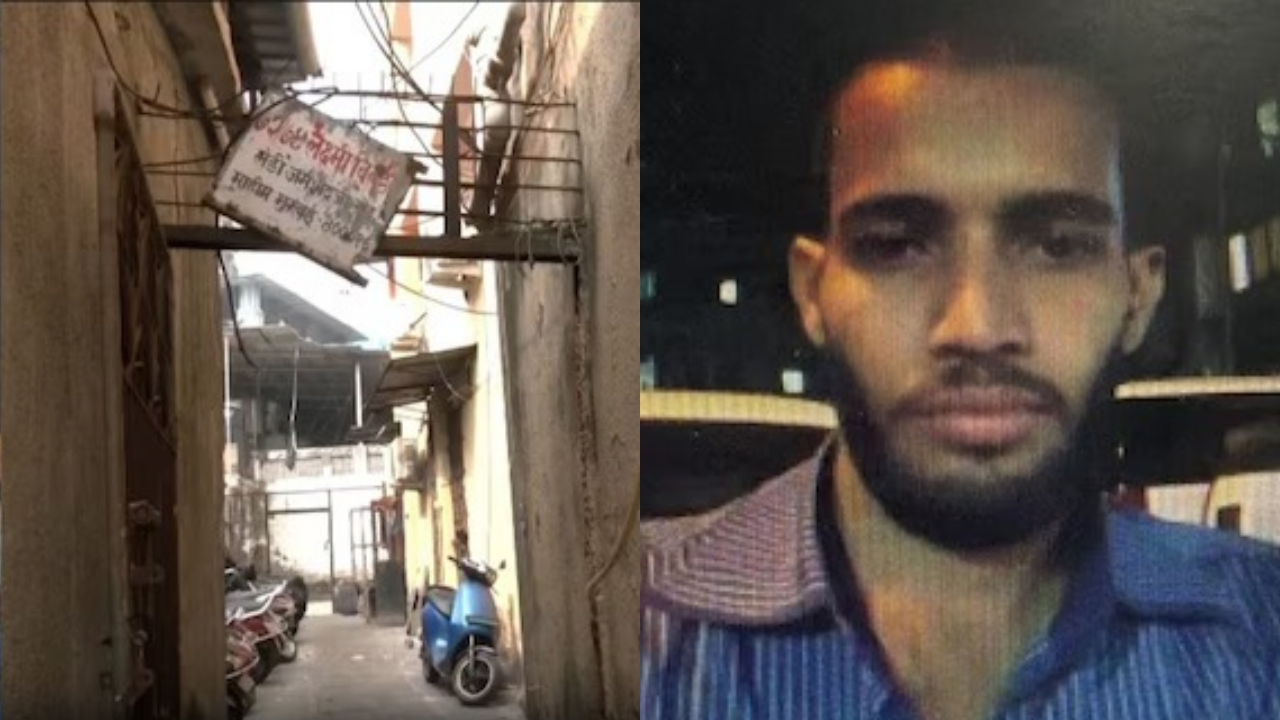
Police in Maharashtra traced a series of digital footprints that led them to a Rapido delivery rider who was 33 years old at the time of the investigation. The rider’s phone was found to be a member of several WhatsApp groups that shared extremist propaganda, and a Telegram channel that circulated audio recordings attributed to Masood Azhar, the leader of a banned militant organization. Investigators said the content was being forwarded among a small network of users, raising concerns about radicalisation through everyday communication tools.
The Anti‑Terrorism Squad (ATS) moved to place the rider on its radar after a routine cyber‑crime check flagged the groups for containing prohibited material. Officers conducted a search of the rider’s residence and seized his mobile device, which contained dozens of forwarded messages, video clips and audio files. While the rider claimed he was merely a passive recipient of the content, the ATS noted that the frequency of his participation suggested a deeper level of engagement. The case underscores the challenges law enforcement faces when distinguishing between casual sharing and active involvement in extremist networks.
Legal experts point out that Indian law allows authorities to monitor digital communications when there is a reasonable suspicion of involvement in terrorist activities. The rider’s situation is being used as an example in recent training sessions for police officers on how to handle evidence from messaging apps. Community leaders have called for greater awareness about the dangers of spreading unverified material online, urging citizens to report suspicious activity. The investigation remains ongoing, and the rider has not yet been formally charged, pending further forensic analysis of his device.
Comments 0