When Manto Falls Silent, Society May Claim a Measure of Progress
Literary commentator Aswath Bhatt argues that the fading relevance of Saadat Hasan Manto would signal a societal shift toward greater tolerance. The observation sparks debate about the role of provocative art in contemporary India.
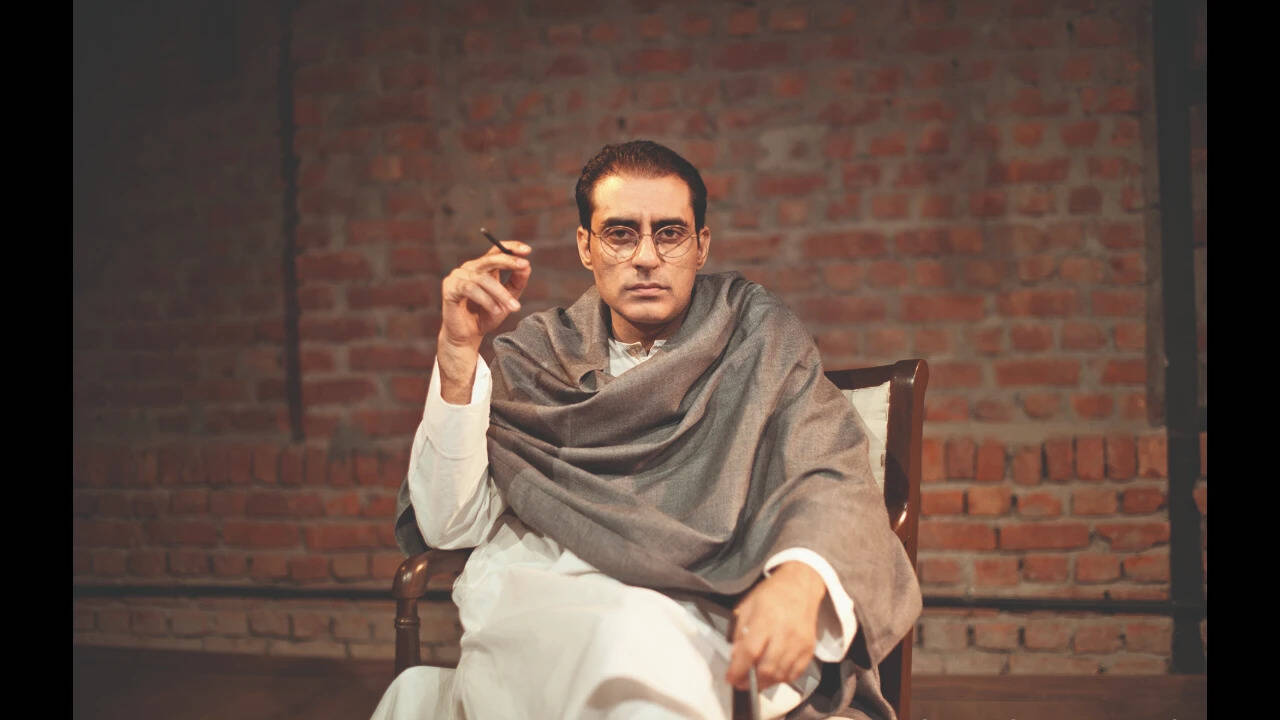
In a recent interview, Aswath Bhatt reflected on the legacy of Saadat Hasan Manto, whose stark portrayals of partition-era trauma have long challenged readers to confront uncomfortable truths. Bhatt suggested that if future generations no longer engage with Manto’s work, it may indicate a collective movement beyond the divisions that his stories once illuminated. The comment resonated across literary circles, prompting discussions about whether the waning of such a critical voice marks cultural maturation or a loss of critical self‑examination.
The conversation highlights an underlying tension between preservation of dissenting narratives and the desire for a more harmonious public discourse. Cultural institutions, publishers, and academic curricula are grappling with how to balance the inclusion of historically significant yet provocative literature against the risk of reigniting old wounds. Bhatt’s perspective also raises questions about the mechanisms through which societies decide which artistic voices are amplified, and which are allowed to recede into obscurity.
Should the trend toward diminished engagement with Manto’s oeuvre continue, it could influence the broader literary market, encouraging authors to adopt less confrontational themes. Conversely, renewed interest sparked by the debate may lead to a resurgence of critical scholarship and re‑publication of his works, reinforcing the importance of confronting historical trauma. The outcome will shape not only the literary but also the societal willingness to confront uncomfortable chapters of the past.
Comments 0