When Supreme Court Rejected Blanket Ban On Protests At Jantar Mantar In 2018
The Supreme Court in 2018 rejected a request for a blanket ban on protests at Delhi's Jantar Mantar, stating that an absolute prohibition is not a viable solution. The Court also clarified that no individual or group can claim an unrestricted right to occupy a specific public space for demonstrations.
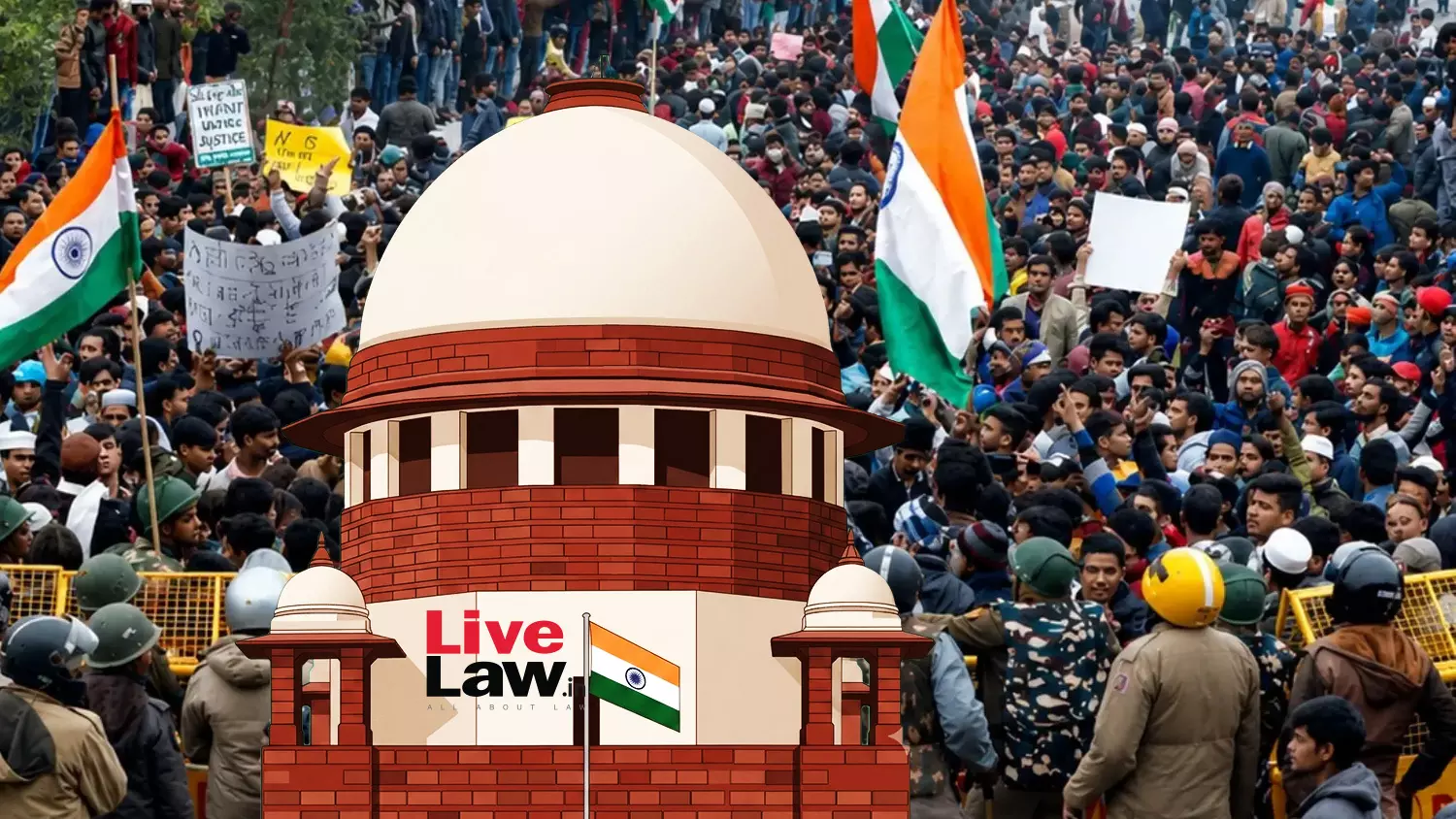
The apex court examined a petition that sought to prohibit all forms of protest at Jantar Mantar, a historic observatory that has become a popular venue for public gatherings and political rallies. The judges noted that the location is owned by the government and is open to the public, but they emphasized that a total ban would interfere with the democratic right to express dissent. Their decision was based on a review of earlier orders that had imposed limited restrictions during specific events.
In its reasoning, the court highlighted that the Constitution guarantees freedom of speech and assembly, yet these rights are not absolute. It observed that authorities may impose reasonable conditions to maintain public order, protect property, and ensure safety, but such measures must be narrowly tailored. The judgment made clear that no one can claim an unqualified right to hold protests at any particular spot, including Jantar Mantar, without considering the broader public interest and legal framework.
The ruling has significant implications for civil society groups and state governments that regulate public demonstrations. By rejecting a blanket ban, the court affirmed that protestors must seek permission where required and respect lawful restrictions, while also protecting their ability to voice concerns in a public forum. Observers expect the decision to shape future debates on the balance between security concerns and the right to protest across India.
Comments 0