White House Restricts Press Access Following High-Level Editorial Clash
Major journalistic outlets faced immediate physical barring from executive grounds after political leadership condemned their reporting as fraudulent. This exclusionary directive signals an intensifying confrontation between the state apparatus and independent media institutions.
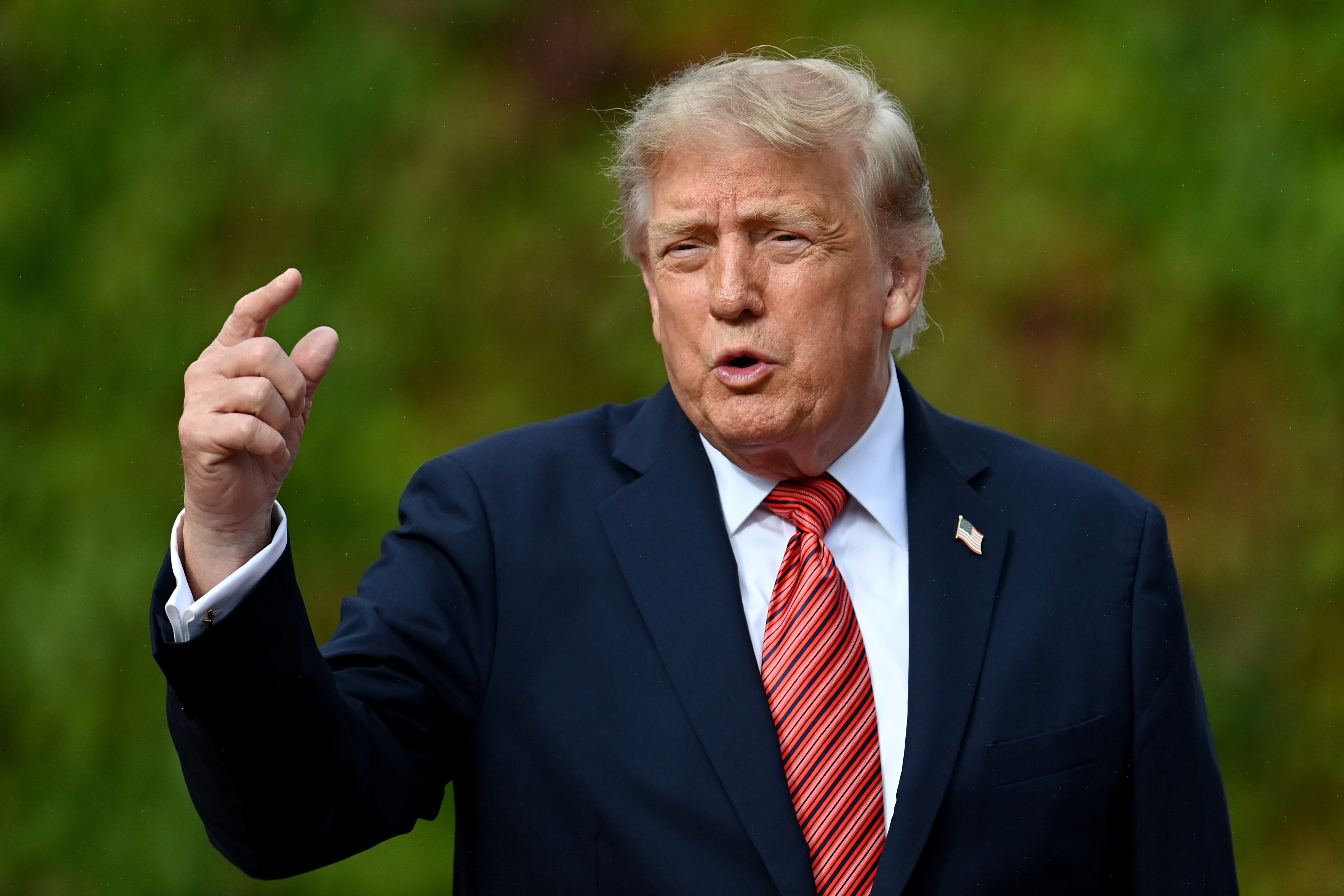
The morning restriction imposed upon reporters from CNN, Politico, and MS NOW marks an escalation in the ongoing hostility between the executive branch and traditional news organizations. Security personnel stationed at the perimeter gates enforced the administrative ban, denying entry to accredited journalists who arrived to cover daily proceedings. This action follows public denunciations by political leaders who accused the named organizations of disseminating deliberate falsehoods regarding government operations. Beneath the surface of this exclusion lies a systematic effort to reshape the parameters of political accountability and public information dissemination. By selectively revoking press credentials, the administration exerts direct pressure on newsrooms to conform to preferred narratives or face institutional silencing. This mechanism of control bypasses traditional channels of editorial dispute, replacing debate with administrative penalty and forcing media corporations to recalibrate their reporting strategies under conditions of explicit state hostility. The immediate consequence is a profound contraction of open access within the capital, leaving significant portions of the electorate reliant on filtered communications from official channels. Independent news organizations now face difficult operational realities, including legal challenges to regain access and heightened security risks for reporters covering executive events. Long-term systemic repercussions involve the normalization of restricted press access, weakening the foundational transparency required for democratic governance and encouraging similar retaliatory measures across other levels of government.
Comments 0