Territorial Army Turns to Ecological Restoration to Shield Marathwada from Drought
Severe water scarcity in Marathwada led the Territorial Army to launch ecological restoration projects aimed at bolstering groundwater recharge. The initiative immediately reduced the region's reliance on emergency water tankers and sparked interest from neighboring districts.
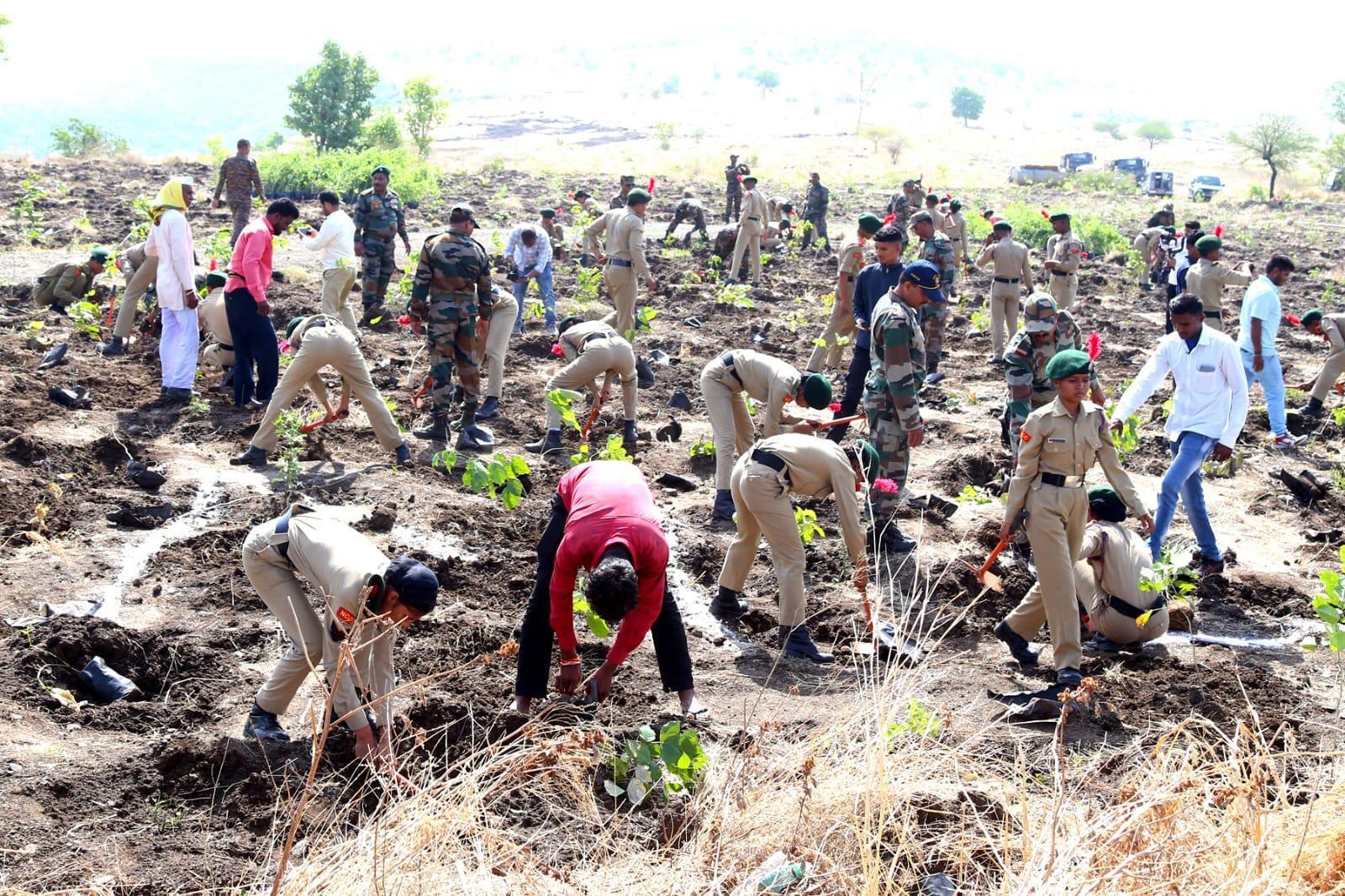
The drought that has gripped Marathwada for months left reservoirs at historic lows, forcing villages to queue for dwindling water supplies and prompting the state to declare a water emergency. In response, the Territorial Army mobilised engineering units to construct check‑dams, revive traditional rain‑water harvesting structures, and plant native vegetation across degraded catchments. Early measurements indicate a modest rise in groundwater levels, offering a lifeline to farmers whose crops face imminent failure.
The army's involvement reflects a broader tension between civilian agencies, which have struggled to deliver timely solutions, and the military, whose logistical capacity enables rapid on‑ground action. Environmentalists have praised the use of indigenous species and low‑tech methods, arguing that such approaches align with long‑standing local water‑management practices. However, some critics caution that short‑term interventions must be paired with sustained policy reforms to prevent future scarcity.
Beyond the immediate relief, the project has set a precedent for military‑led environmental stewardship in other arid zones of India. State officials are now evaluating the scalability of the model, while agricultural cooperatives anticipate improved irrigation prospects for the upcoming sowing season. The success may also influence central water‑policy debates, encouraging greater allocation of resources toward nature‑based solutions.
Comments 0