ASEAN's Oil Shield: Regional Cooperation Against the Iran Supply Shock
The Association of Southeast Asian Nations has agreed to establish a joint crude oil stockpiling scheme in response to the severe supply disruptions caused by the war in Iran. This coordinated move signals a shift from individual national strategies to a collective security posture, aiming to insulate the region's economies from volatile energy markets.
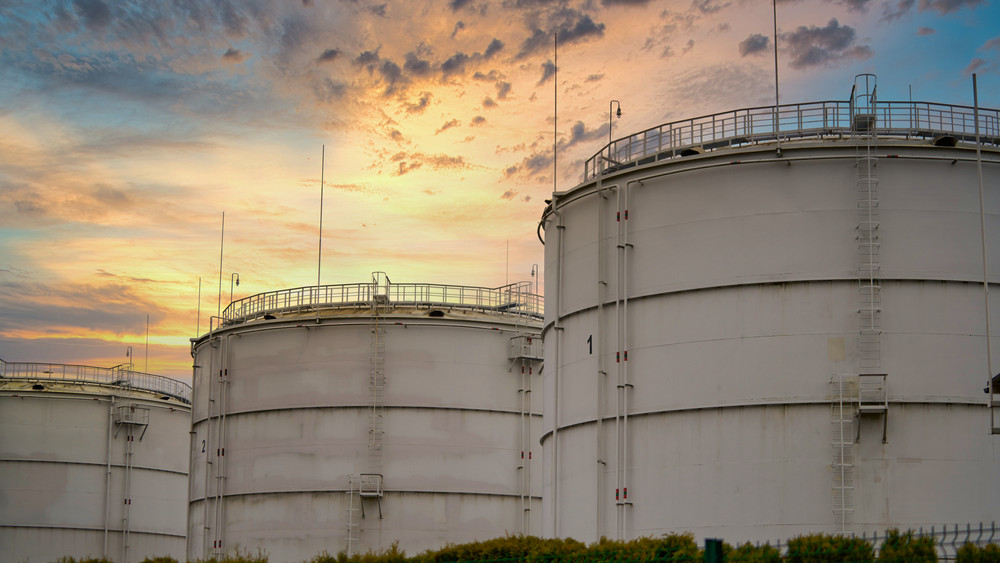
The decision by ASEAN to create a joint crude oil stockpiling scheme is a direct response to the acute supply crisis triggered by the conflict in Iran. The war has severely disrupted energy flows, leaving member states vulnerable to price spikes and shortages that threaten their industrial output and economic stability. By pooling resources and establishing shared storage sites, the region is attempting to create a buffer against external shocks, a move that reflects a growing recognition of the interdependence of its economies. The immediate outcome is a more resilient energy infrastructure, capable of withstanding future disruptions without the panic that often accompanies supply cuts.
The underlying tension in this development is the balance between national sovereignty and regional cooperation. Historically, ASEAN has operated on a principle of non-interference, with member states prioritizing their own energy security strategies. The current crisis has forced a reevaluation of this stance, as the scale of the disruption exceeds the capacity of any single nation to manage alone. This institutional friction highlights the limitations of fragmented approaches in the face of global crises, pushing the bloc toward a more integrated security framework. The challenge now is to maintain this cooperation without compromising the autonomy that has been central to ASEAN's identity.
The downstream consequences of this move are significant for the global energy market. A coordinated ASEAN stockpile could influence global pricing dynamics, as the region becomes a more stable and predictable buyer. It also sets a precedent for other regional blocs to consider similar collective security measures in the face of geopolitical instability. For the member states, the tangible outcome is a reduced risk of energy-induced economic slowdown, allowing them to focus on other developmental priorities. However, the success of this scheme will depend on the continued political will to share resources and coordinate policy, a test that will be in the coming months.
Comments 0