Azam Khan's Custody: The ED's Push into Uttar Pradesh's Political Money Trails
The Enforcement Directorate has secured four days of custody for Azam Khan in a 426 crore rupee money laundering case linked to Jauhar University. This move signals a deepening probe into the financial networks of Uttar Pradesh's political elite, threatening to unravel a web of illicit funding.
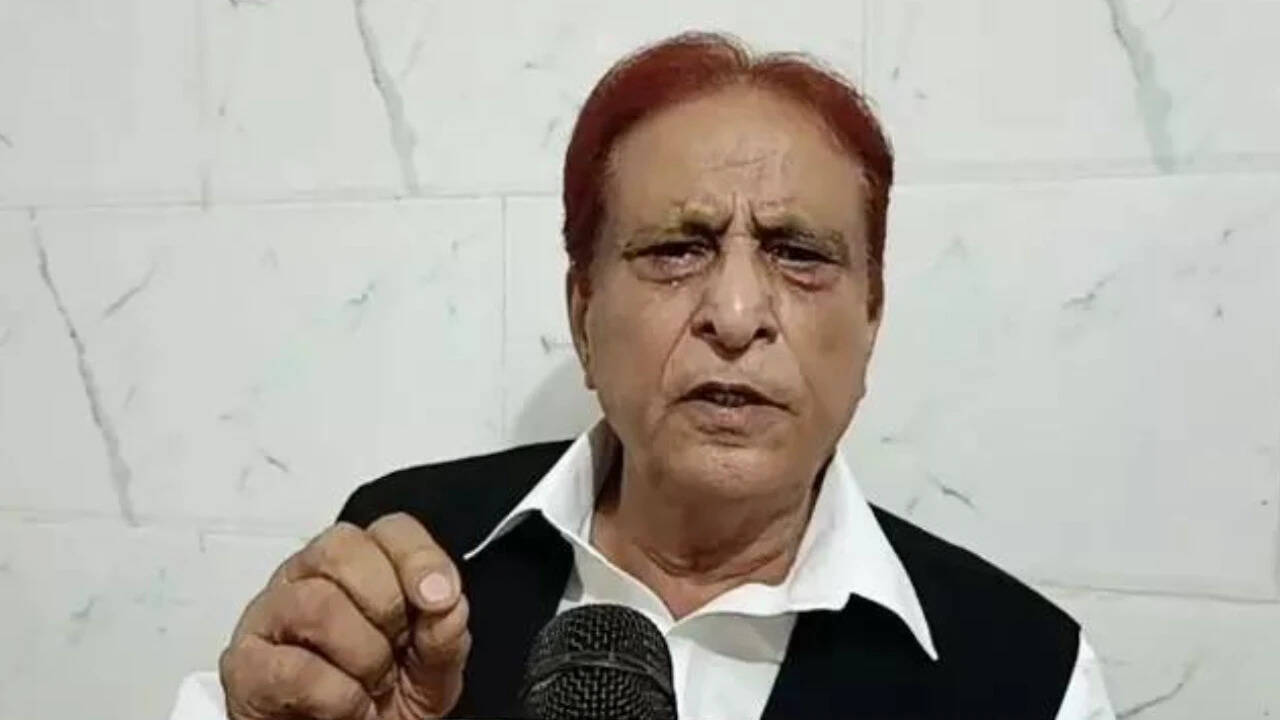
The concrete rupture in the political of Uttar Pradesh is the Enforcement Directorate's acquisition of four days of custody for Azam Khan, a prominent political figure. The case centers on a 426 crore rupee money laundering scheme allegedly linked to Jauhar University, a institution that has long been a point of contention in the state's political arena. This is not a routine financial investigation; it is a targeted strike at the financial infrastructure that supports political power in the region. The custody period provides the ED with the critical time needed to interrogate Khan and trace the flow of funds, potentially exposing a network of illicit transactions that has operated for years.
The underlying tension reflects the increasing scrutiny of political financing in India, where the boundaries between legal business operations and illegal money laundering are often blurred. The involvement of an educational institution in the scheme suggests a sophisticated method of laundering funds, using the prestige and financial flows of a university to mask illicit activities. The institutional friction here is between the political establishment's reliance on such financial networks and the state's growing capacity to investigate and prosecute them. The ED's move indicates a shift in the balance of power, where financial enforcement agencies are no longer hesitant to target high-profile political figures, challenging the traditional impunity enjoyed by the elite.
The downstream consequences of this investigation could be significant for the political dynamics of Uttar Pradesh. If the probe uncovers a broader network of money laundering, it could lead to the disqualification of politicians from office, altering the balance of power in the state. The tangible outcome is a potential shake-up in the political , where financial integrity becomes a decisive factor in electoral outcomes. The case also serves as a warning to other political figures, signaling that the era of unchecked financial misconduct is coming to an end, and that the state is prepared to use its full legal arsenal to hold them accountable.
Comments 0