'Blocked exits, cabin partitions': NHRC asks Punjab chief secretary to inspect buses used under Tirth Yatra Scheme ferrying pilgrims; submit report within 7 days
The National Human Rights Commission has instructed Punjab's chief secretary to inspect buses running under the Tirth Yatra Scheme following reports of safety hazards. Authorities must submit a detailed status report within seven days addressing issues like blocked emergency exits and interior partitions.
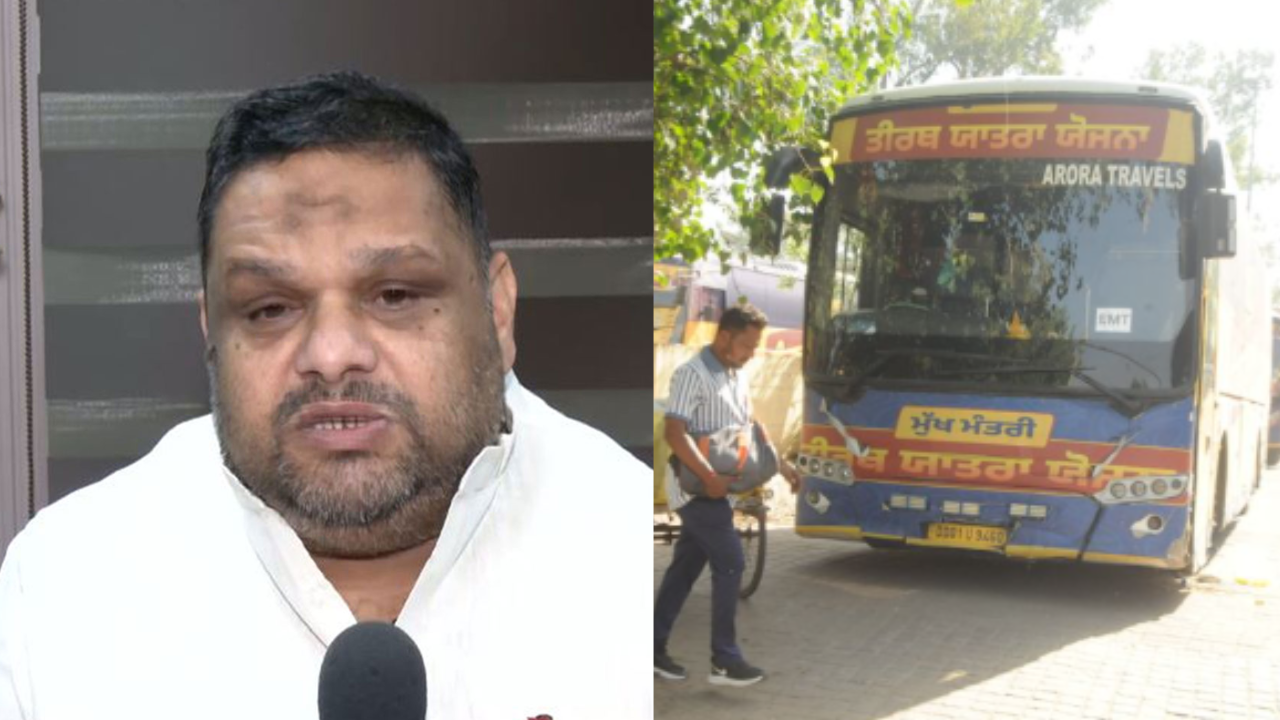
The National Human Rights Commission has directed the Chief Secretary of Punjab to initiate an immediate inspection of buses operating under the state government's Tirth Yatra Scheme. The intervention follows growing concerns over passenger safety standards on vehicles designated to ferry pilgrims to various religious destinations across the region. Officials have been given a strict deadline of seven days to complete the safety evaluations and submit a detailed report on the physical condition and mechanical fitness of the entire transit fleet.
Serious safety deficiencies prompted the human rights panel to take action, specifically concerning structural alterations that impair safe movement inside the vehicles. Inspections revealed the presence of blocked emergency exits and unauthorized cabin partitions installed within the passenger areas of several buses. These physical barriers pose extreme dangers during potential roadside emergencies or fires by preventing rapid evacuation. The commission emphasized that safety compliance must take precedence when public authorities organize transportation services for large numbers of citizens.
Public transport safety remains a matter of top priority for millions of citizens across India, where official pilgrimage programs serve extensive elderly populations. When state administrations sponsor large-scale travel initiatives, vehicle safety and emergency readiness directly affect public trust and passenger security. Strict regulatory oversight by human rights institutions helps enforce administrative accountability, ensuring that public welfare programs do not compromise on basic safety protocols or expose travelers to avoidable physical risks during their journeys.
Comments 0