Deepfake surge in Delhi raises alarm over public trust in visual media
A wave of synthetic videos and audio clips has begun circulating on social platforms, prompting officials to warn of eroding confidence in authentic content. The phenomenon threatens electoral discourse and commercial advertising alike.
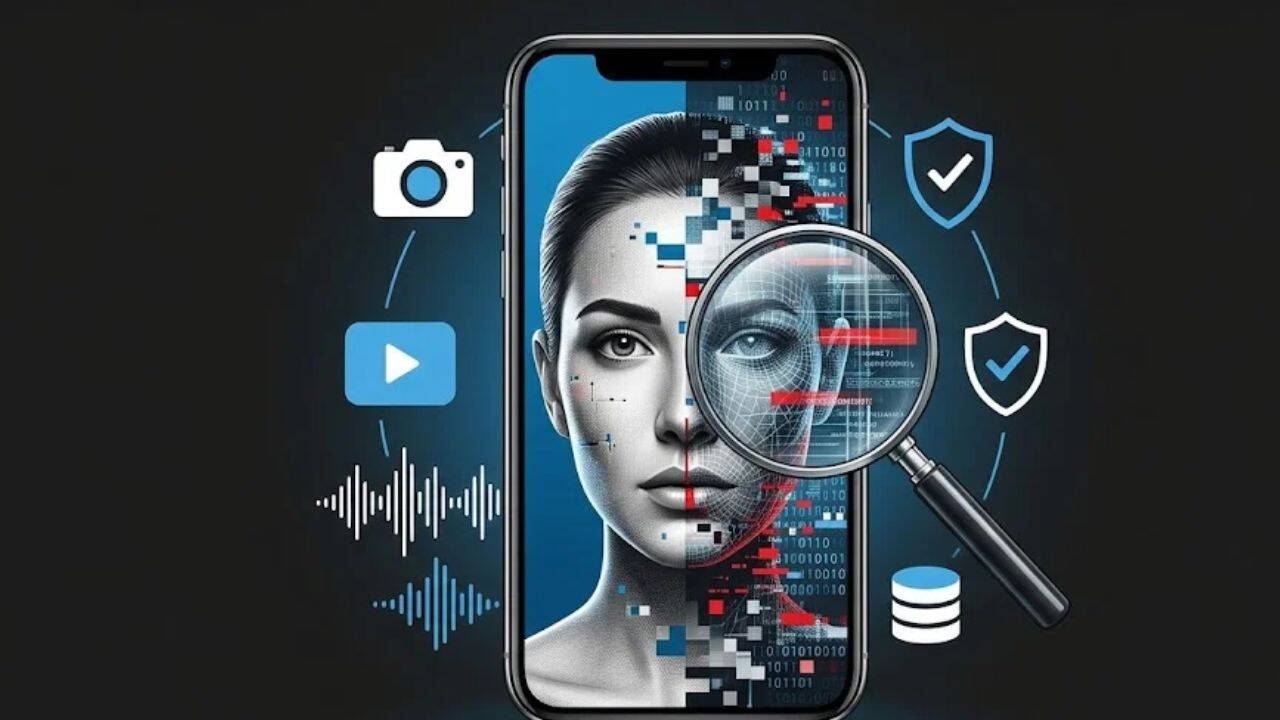
In recent weeks, Delhi residents have reported encountering video footage of public figures delivering statements they never made, as well as audio recordings that mimic familiar voices with unsettling precision. Technology firms traced the origins to open‑source generative models that allow anyone with modest computing resources to produce convincing forgeries. The spread has been rapid, with shares on messaging apps multiplying within hours, and the Ministry of Information and Broadcasting has issued an advisory urging verification before resharing.
The underlying tension lies in the intersection of lax regulatory frameworks, the commercial incentives of click‑bait content, and the limited digital literacy among large segments of the population. Legal scholars argue that existing defamation and cyber‑crime statutes are ill‑equipped to address the nuance of algorithmic manipulation, while civil‑society groups call for a national media‑literacy campaign. The tension is amplified by political actors who accuse opponents of weaponising deepfakes to sway voter sentiment.
Consequences are already manifesting: advertisers have paused campaigns featuring celebrity endorsements pending verification, and political parties are fielding legal teams to challenge suspect videos that surface during campaign rallies. The Election Commission has pledged to introduce real‑time authentication tools for broadcast media, and several startups are developing watermarking solutions to certify original content. The ripple effect may reshape how newsrooms verify sources and how the public consumes visual information.
Comments 0