Brooklyn's Concrete Failure: A Test of Urban Resilience
A building collapse in Brooklyn has claimed two lives and injured over a dozen, prompting an immediate response from Mayor Mamdani. The incident underscores the aging infrastructure challenges facing major American cities and the critical importance of rapid emergency response.
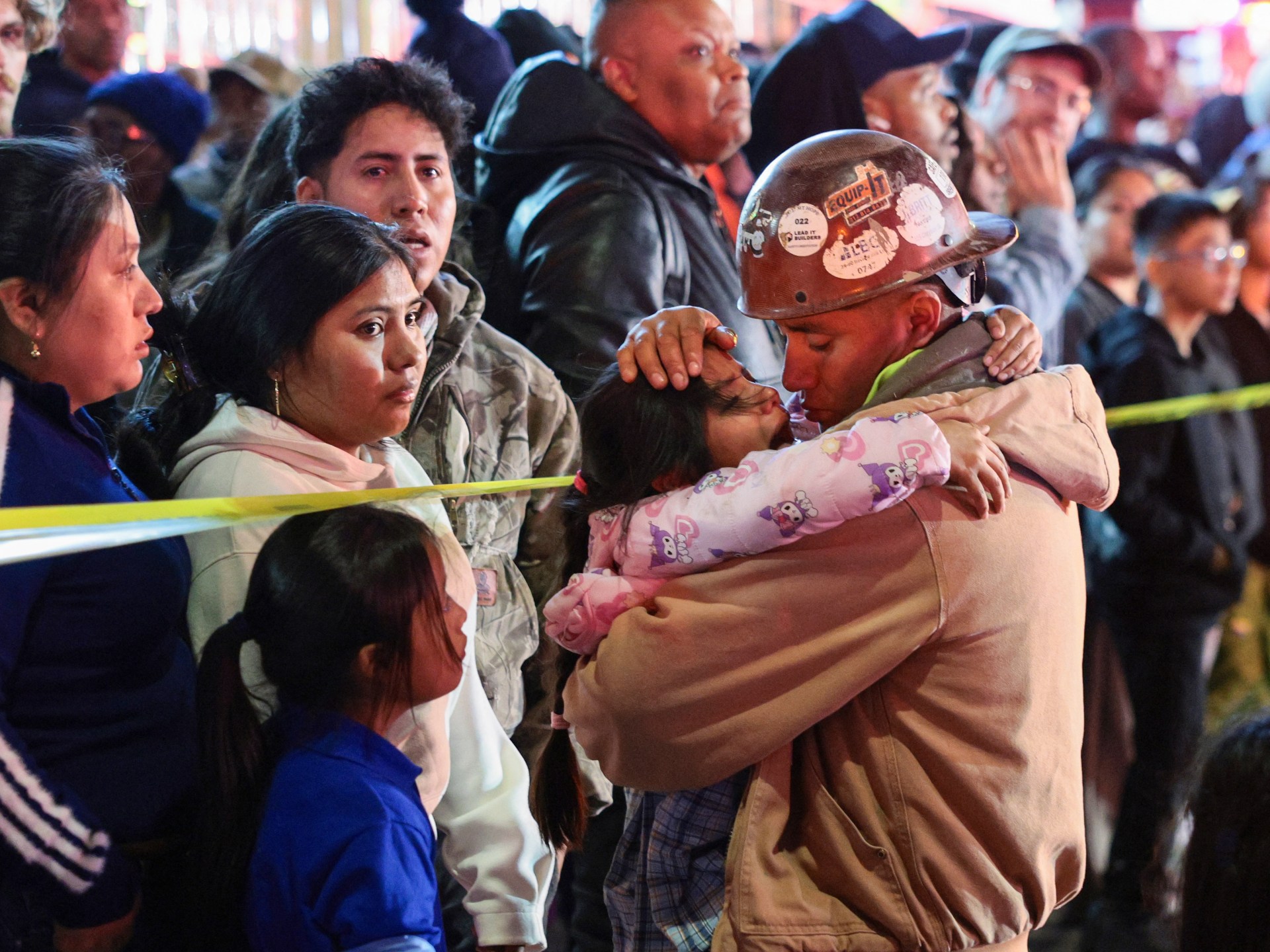
The concrete rupture in Brooklyn was sudden and catastrophic, as a building gave way, trapping residents and bystanders under tons of debris. The immediate aftermath saw rescue crews working tirelessly to extract victims, with Mayor Mamdani noting that first responders arrived within a minute of the emergency call. The speed of the response was a to the city's emergency preparedness, yet it could not prevent the loss of life or the severe injuries sustained by more than a dozen individuals.
The underlying tension in such events often points to the long-term neglect of aging infrastructure in dense urban environments. Buildings in older districts face unique challenges related to material degradation and changing environmental loads, which can lead to sudden failures if maintenance is inadequate. This incident highlights the institutional friction between the need for rigorous, ongoing structural inspections and the budgetary constraints that often limit public investment in building safety.
The downstream casualties extend beyond the immediate victims to the broader community, which faces a renewed sense of vulnerability. The tangible outcome is a likely overhaul of building inspection protocols and increased scrutiny of property owners' responsibilities. This event will serve as a catalyst for policy changes aimed at preventing similar disasters, as the city grapples with the moral and legal implications of infrastructure failure in a densely populated area.
Comments 0