Buxa Tigress Defies Relocation, Digs Under Fence to Return to Assam
Four days after being moved from Assam's Raimona , a tigress from Buxa has dug under the perimeter fence and headed back toward the neighboring state. This act of defiance highlights the limitations of physical barriers in managing wildlife corridors and the complex ecology of the region.
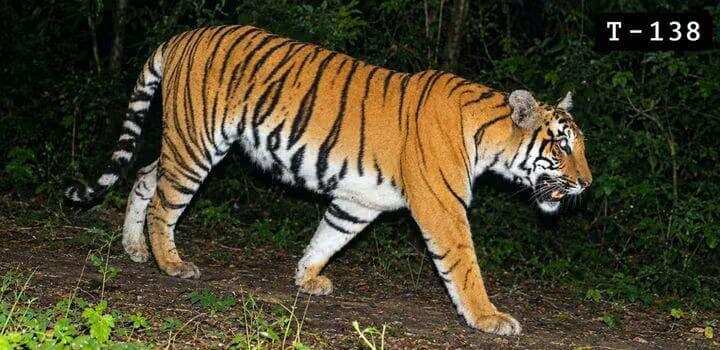
The tigress's decision to dig under the fence and return to Assam is a concrete example of the challenges faced in wildlife management. Despite the efforts of foresters to relocate her, the animal's instinct and the ecological pull of her original habitat proved stronger than human intervention. This incident underscores the difficulty of managing large predators in fragmented landscapes, where artificial boundaries often fail to align with natural movement patterns. The tigress's actions are a to the resilience of wildlife and the limitations of human control over natural processes.
The underlying tension is between conservation goals and the practical realities of habitat management. The relocation of the tigress was likely intended to prevent conflict with humans or to balance the population, but it has resulted in a situation where the animal is now in a state of limbo. The institutional friction is evident in the lack of a clear strategy for managing such cases, where the animal's behavior defies the assumptions of the management plan. This highlights the need for more adaptive and flexible approaches to wildlife conservation.
The downstream consequences include increased risk of human-wildlife conflict in both Buxa and Assam. The tigress's presence in an area where she is not expected may lead to encounters with local communities, potentially resulting in injury or death for both humans and animals. The incident also raises questions about the effectiveness of current conservation policies and the need for better coordination between different jurisdictions. The 12-month outlook suggests a continued struggle to manage the movement of large predators, with the potential for further incidents if the underlying ecological issues are not addressed.
Comments 0