Coordinated Power Drops Unravel Global Grid Vulnerabilities
Researchers in Germany identified a coordinated pattern behind recent power disturbances that have plagued grids across continents. Their findings expose systemic gaps in grid monitoring and set the stage for regulatory overhauls worldwide.
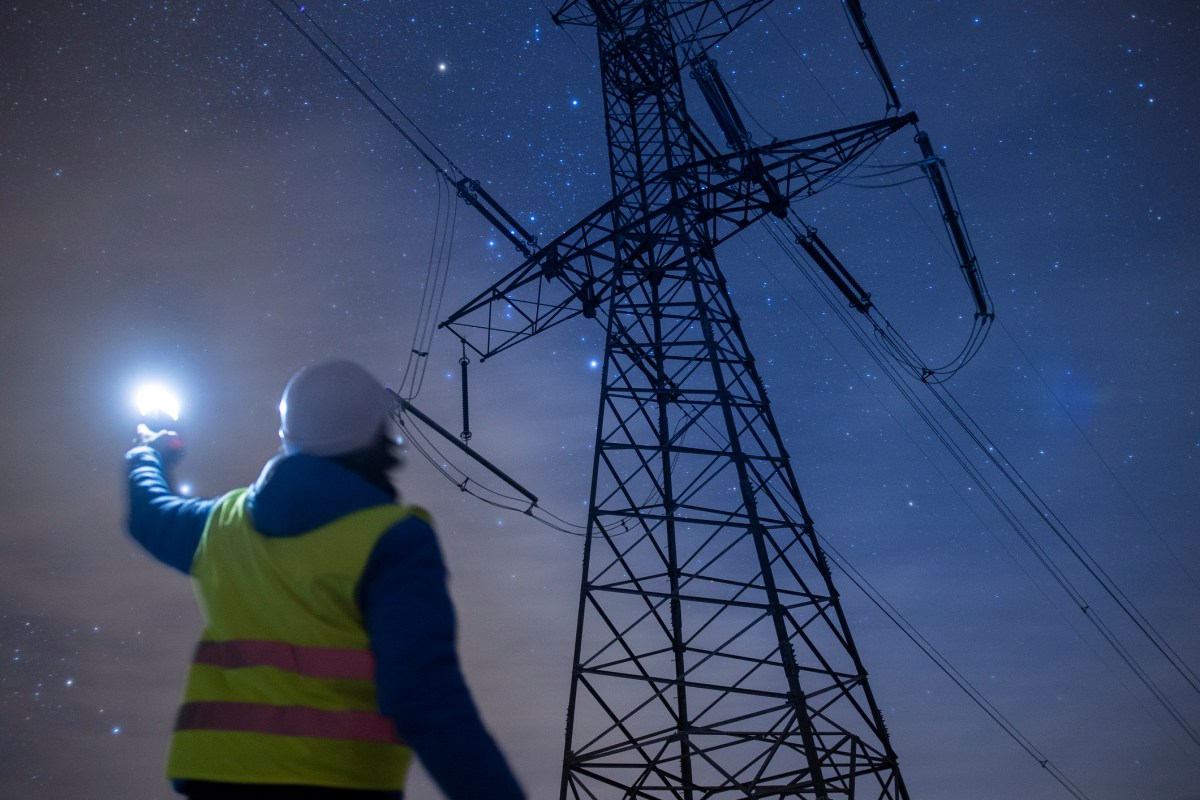
The investigation began with a series of unexplained voltage dips that appeared simultaneously in disparate regions, from northern Europe to parts of Asia and North America. By cross‑referencing timestamped data from independent grid operators, the team uncovered a synchronized signature that suggested a common source rather than isolated technical failures. The study concluded that a combination of outdated relay settings and insufficient real‑time data sharing created a fertile environment for such coordinated events.
The underlying tension stems from the rapid integration of renewable energy sources, which has strained legacy protection schemes. Grid operators, eager to accommodate solar and wind farms, have often deferred upgrades to supervisory control and data acquisition (SCADA) systems, leaving blind spots that can be exploited by malicious actors or cascading faults. National regulators, meanwhile, have struggled to harmonize standards across borders, allowing inconsistencies that amplify the impact of localized disturbances.
The downstream consequences are already manifesting as heightened operational costs for utilities, increased insurance premiums, and a growing public distrust of grid reliability. In response, several jurisdictions have announced accelerated investment plans for advanced monitoring infrastructure and are drafting cross‑border protocols to ensure rapid information exchange. If these measures are implemented promptly, the industry may avert a wave of large‑scale outages that could otherwise jeopardize industrial production and residential comfort.
Comments 0