Buxar’s Diwali Smog Breaches 400 AQI, Triggering Health Alerts
Air quality monitors in Buxar recorded an AQI exceeding four hundred in the days following Diwali, prompting emergency health advisories. The spike exposed the acute vulnerability of small towns to festival‑related pollution events.
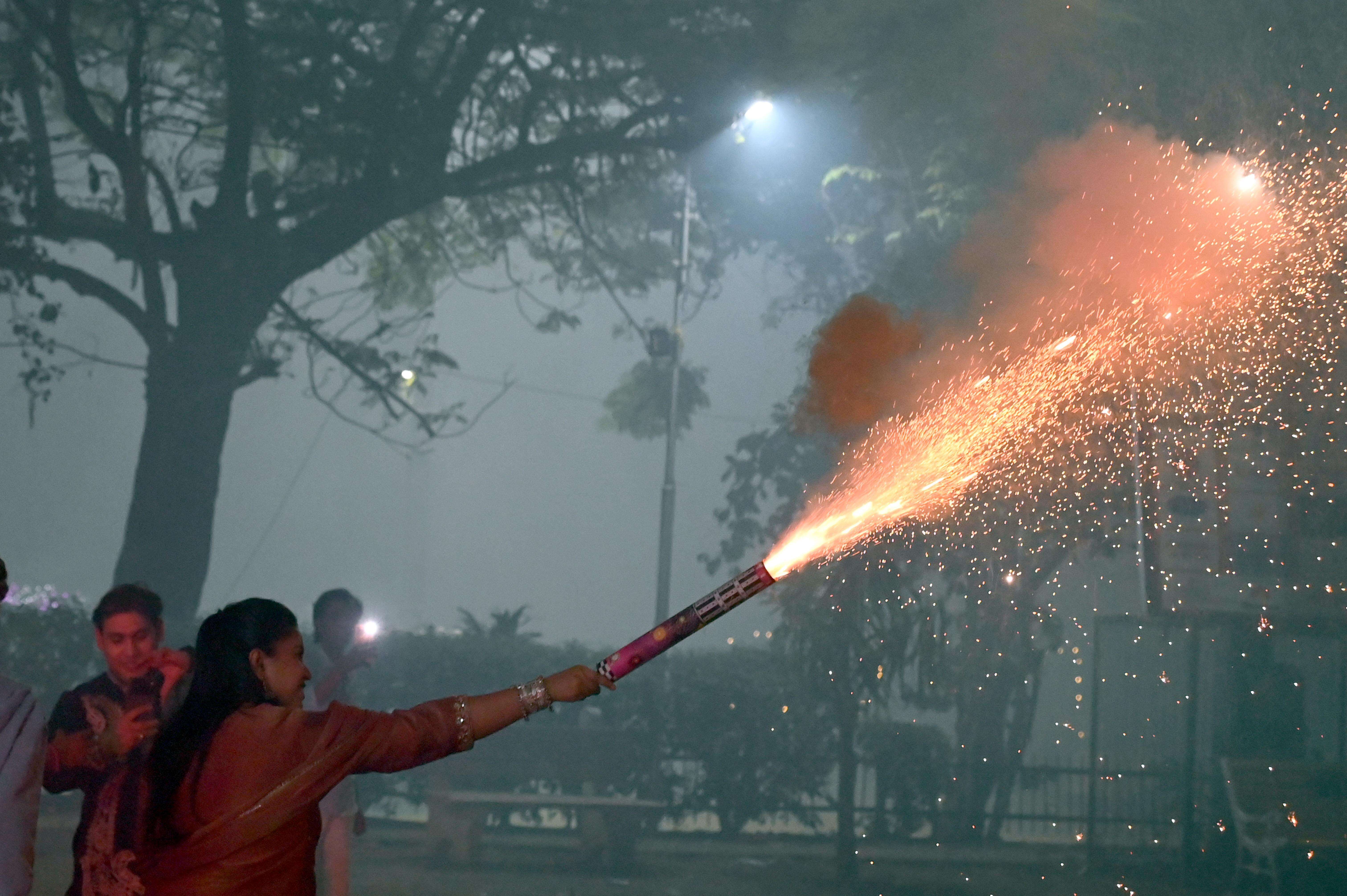
The post‑Diwali period saw a dramatic rise in particulate matter concentrations across Buxar, a district in Bihar, as firecrackers and stubble burning combined to saturate the atmosphere with fine pollutants. Government sensors logged an Air Quality Index that surpassed the hazardous threshold, compelling the state health department to issue warnings for residents with respiratory conditions and to advise the public to limit outdoor activity. The immediate shockwave was a surge in hospital admissions for asthma attacks and a rapid deployment of mobile air‑purification units by local authorities.
Underlying this environmental crisis are longstanding tensions between cultural practices that involve fireworks and the region’s limited regulatory enforcement of air‑quality standards. Local officials have struggled to balance community traditions with public‑health imperatives, while environmental NGOs have called for stricter bans on firecracker sales and more robust monitoring of agricultural burning. The friction intensified as neighboring districts reported similar spikes, highlighting a systemic gap in coordinated pollution control measures.
The downstream effects extend beyond the immediate health emergency. Agricultural productivity may suffer as poor air quality hampers pollination, while the economic burden of medical treatment strains household finances. Moreover, the episode has reignited policy debates at the state level regarding the implementation of a comprehensive air‑quality management plan, potentially leading to stricter enforcement of emission norms during festival periods. Within the next year, the heightened awareness could translate into legislative action aimed at curbing firecracker usage and incentivising cleaner agricultural practices.
Comments 0