China's Plenum Signals Tighter Party Discipline Ahead of Xi's Fourth Term
China's Communist Party has convened a closed-door plenum to strengthen internal discipline and prepare for leadership transitions. The gathering, held a year before Xi Jinping is expected to secure a fourth term, underscores the regime's focus on consolidating power and purging dissent.
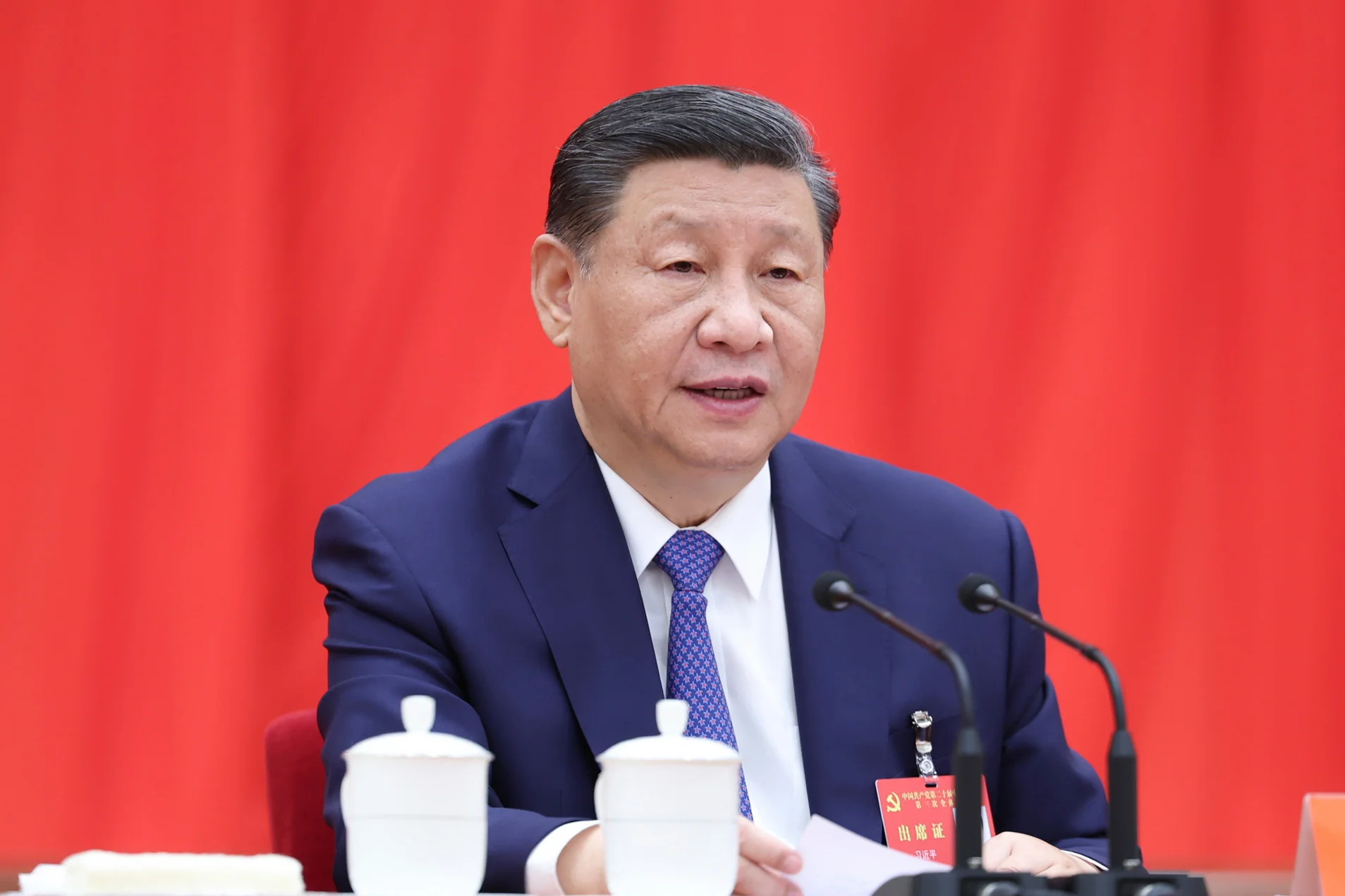
The concrete rupture is the convening of a high-level plenum of the Chinese Communist Party, a closed-door session that signals a tightening of internal controls. The gathering, which began on Monday, is focused on strengthening party discipline and preparing for significant personnel changes in key leadership bodies. This move is seen as a precursor to the formalization of Xi Jinping's fourth term, which is expected to be secured in the coming year. The plenum serves as a mechanism to align the party's elite around the leader's vision and to eliminate any potential sources of opposition or instability.
The underlying tension is the struggle for control within the party's upper echelons. As Xi consolidates his power, the emphasis on discipline is a tool to ensure loyalty and suppress dissent. The closed-door nature of the plenum reflects the opaque and often ruthless dynamics of Chinese political life, where internal purges and reshuffles are common. This gathering is not just a routine procedural step but a strategic maneuver to secure the leader's long-term hold on power and to manage the complex relationships between different factions within the party.
The downstream consequences are a more centralized and authoritarian governance structure in China. The strengthening of party discipline will likely lead to increased surveillance and control over the political elite, reducing the space for independent thought and policy debate. This consolidation of power may also have implications for China's foreign policy, as a more unified and disciplined party is likely to pursue a more assertive and coherent strategy on the global stage. The plenum marks a significant step in the evolution of China's political system, with far-reaching implications for its domestic stability and international influence.
Comments 0