Deepening Ecological Disparity Deprives Communities in England of Green Spaces
Parliamentary research indicates that nearly half of England's electoral constituencies face acute deficits in public access to natural environments, echoing historic industrial-era environmental inequalities. The structural deficit places increasing pressure on government urban planning mandates and public health infrastructure.
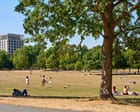
An authoritative study reveals that millions of residents across England remain functionally severed from access to natural blue and green spaces, creating an environmental divide reminiscent of nineteenth-century industrial centers. Urban density and unchecked private land privatization have eroded accessible public natural corridors, concentrating green amenities within affluent suburban enclaves. The persistent shortfall highlights a political struggle between real estate development pressure and municipal obligations to public environmental welfare. Regional councils and national planning bodies face intense institutional gridlock, balancing housing supply quotas against statutory requirements for ecological conservation and equitable open space access. Planning frameworks routinely prioritize short-term commercial asset values over long-term public health infrastructure. Disadvantaged urban populations face compounding public health burdens, including heightened heat-island vulnerability and elevated chronic disease incidence. Pressure will grow on government authorities to enact aggressive compulsory purchase mandates and open-access land reforms, fundamentally altering urban real estate development metrics.
Comments 0