Delhi Metro Adds 20 Weekday Trips to Combat Pollution Surge
The Delhi Metro Corporation will run twenty additional weekday services as part of the GRAP‑1 pollution curbs, aiming to reduce vehicular emissions. The measure is expected to shift commuter behavior toward public transit.
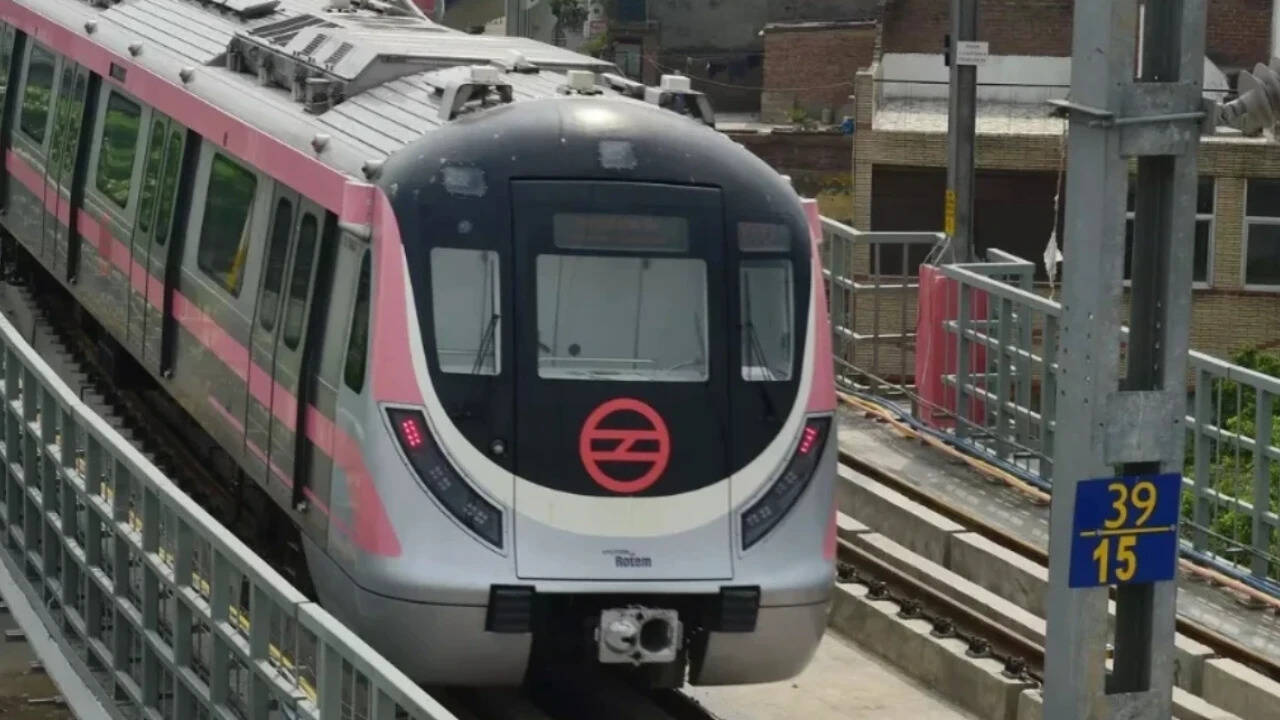
In response to the escalating air quality crisis, the Delhi Metro has announced a substantial increase in its weekday service frequency, adding twenty extra trips across key corridors. This operational surge is part of the government's Graded Response Action Plan (GRAP‑1), which mandates heightened public transport provision to alleviate traffic congestion and curb emissions from private vehicles. By expanding capacity, the metro aims to accommodate a larger share of daily commuters, thereby reducing the number of cars and two‑wheelers that contribute disproportionately to the city's smog.
The underlying tension lies in the city's chronic struggle to balance rapid urbanization with environmental sustainability. While the GRAP‑1 framework provides a regulatory scaffold, its effectiveness hinges on public acceptance and the ability of transit agencies to maintain punctuality and safety standards amid increased demand. Critics argue that without parallel investments in last‑mile connectivity and fare subsidies, the additional services may fall short of achieving the desired modal shift. Nonetheless, the metro's proactive stance signals a willingness to adapt operationally in the face of acute climate challenges.
Early indicators suggest a modest uptick in ridership, with commuters citing reduced travel times and the convenience of more frequent trains. Environmental monitors anticipate a measurable dip in nitrogen dioxide and particulate matter concentrations, provided the increased ridership translates into fewer private vehicle trips. Over the next year, the initiative could serve as a blueprint for other Indian megacities grappling with similar pollution woes, potentially prompting a broader reorientation toward mass transit solutions.
Comments 0