Delhi Proposes Pedestrian ‘Shadow Roads’ to Connect Parks and Green Corridors
The Delhi municipal authority unveiled a plan to create shaded pedestrian pathways linking parks and green spaces across the capital. The initiative aims to improve walkability and reduce heat exposure for commuters in densely populated districts.
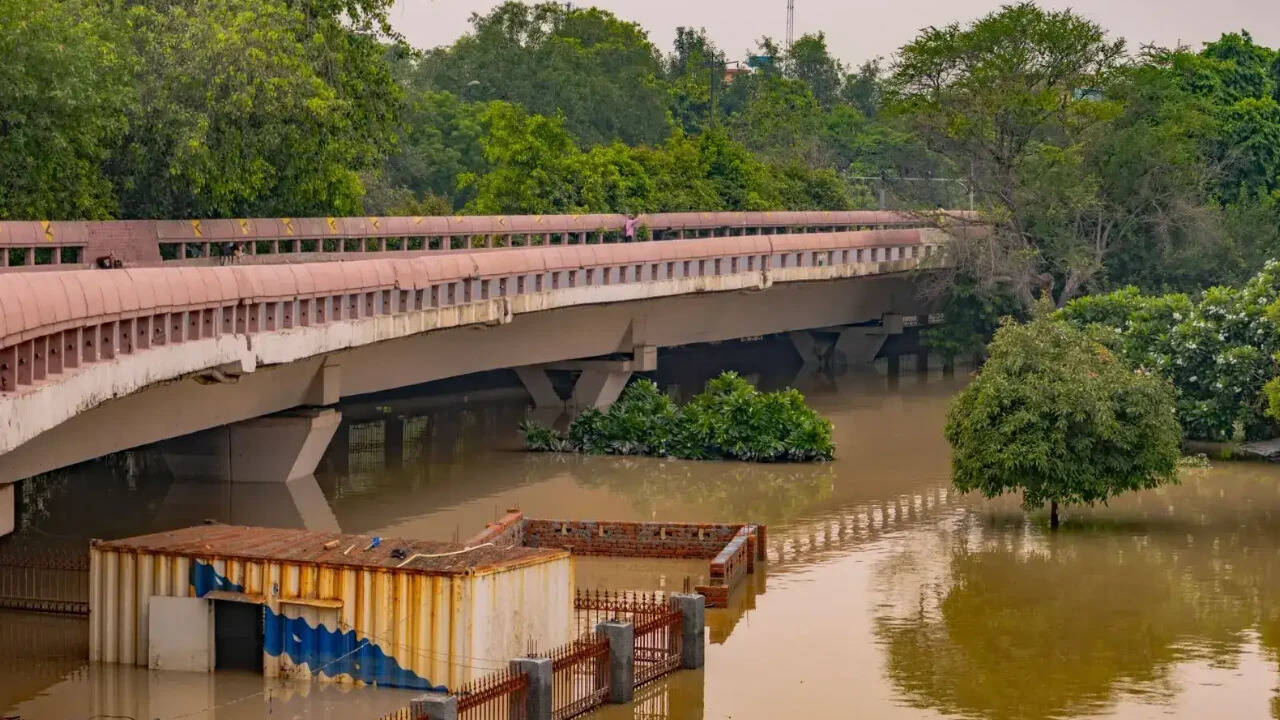
The Delhi government announced a blueprint for a network of pedestrian corridors, termed “shadow roads,” that will weave together existing parks, community gardens, and open spaces. The plan calls for the installation of canopy structures, solar‑powered lighting, and rain‑water harvesting systems along these routes, creating a continuous shaded environment for walkers and cyclists. Officials highlighted that the project will be rolled out in phases, beginning with high‑traffic zones in South and Central Delhi, where heat stress and traffic congestion are most acute.
The proposal emerges from a growing recognition of urban heat island effects and the need for sustainable mobility solutions. City planners have faced criticism for prioritising vehicular infrastructure over pedestrian amenities, a stance that has drawn protests from environmental groups and resident associations. By integrating green corridors with shaded walkways, the scheme seeks to address both climate resilience and public health concerns, offering a tangible alternative to short‑range motorised trips. The municipal authority has pledged to allocate funds from the state’s climate adaptation budget, signalling a shift towards greener urban policy.
If implemented, the shadow roads could reshape commuting patterns, encouraging a modest increase in foot traffic and reducing reliance on short‑haul auto‑rickshaws. Retail businesses along the proposed routes anticipate higher footfall, while health officials expect a decline in heat‑related ailments among vulnerable populations. Urban analysts predict that the project may serve as a model for other Indian metros grappling with similar challenges, potentially spurring a wave of pedestrian‑centric redesigns across the country in the coming twelve months.
Comments 0