India’s luxury retail paradox: Too many malls, yet not enough
India is experiencing a unique commercial real estate paradox as expanding consumer demand for luxury goods faces a shortage of suitable retail space. Despite a proliferation of shopping malls across urban hubs, few properties satisfy international high-end standards.
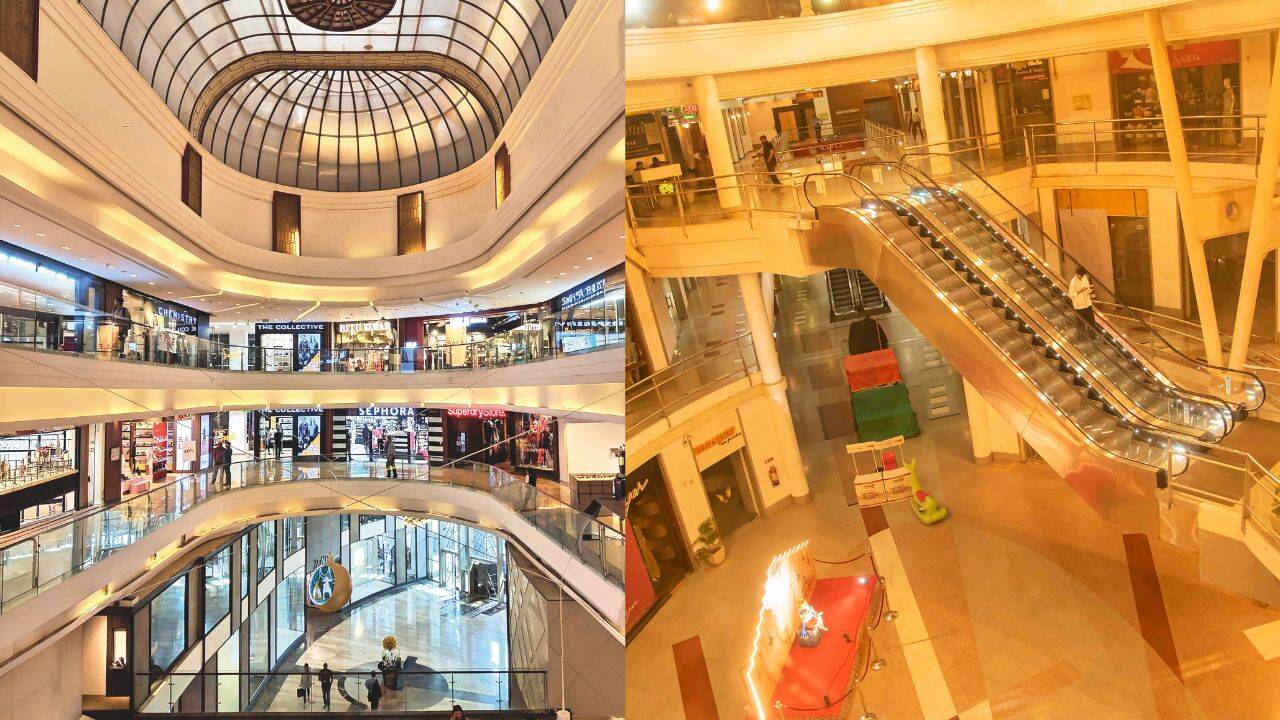
India is currently navigating a unique structural challenge in its commercial real estate sector, commonly referred to as a luxury retail paradox. Although urban centers feature numerous shopping malls, there is a notable shortage of modern spaces capable of meeting international luxury standards. High-end global retailers attempting to expand their footprint in major cities like Delhi face persistent difficulties in securing adequate retail space. This imbalance reveals a distinct gap between the total quantity of commercial retail construction and the specific needs of premium brands.
For readers in India, this retail mismatch reflects shifting consumer demographics and growing economic demand for luxury goods. As household incomes rise in major metropolitan areas, consumer appetite for premium international products continues to expand rapidly. However, the lack of suitable real estate infrastructure hinders top brands from establishing a stronger physical presence. Addressing this property shortage is important for local economies, as high-grade retail developments drive commercial investment, create job opportunities, and modernize urban shopping districts across major Indian cities.
Commercial real estate developers are beginning to adapt their strategies to address this shortfall in high-end retail infrastructure. Constructing facilities tailored for luxury brands requires specific architectural standards, specialized security provisions, and premium tenant services that standard shopping centers standardly lack. As property developers work to bridge this operational gap, cities like Delhi may see new developments designed specifically for high-end retail. Overcoming these infrastructure limitations will remain vital for satisfying consumer demand and supporting long-term commercial growth in the country.
Comments 0