Kolkata’s Kali Puja Firecrackers Spike Particulate Levels to Hazardous Mark
The West Bengal capital saw fine‑particulate pollution surge to hazardous levels after an unrestrained firecracker display on Kali Puja night. Officials warned citizens of severe respiratory risk and urged the use of masks.
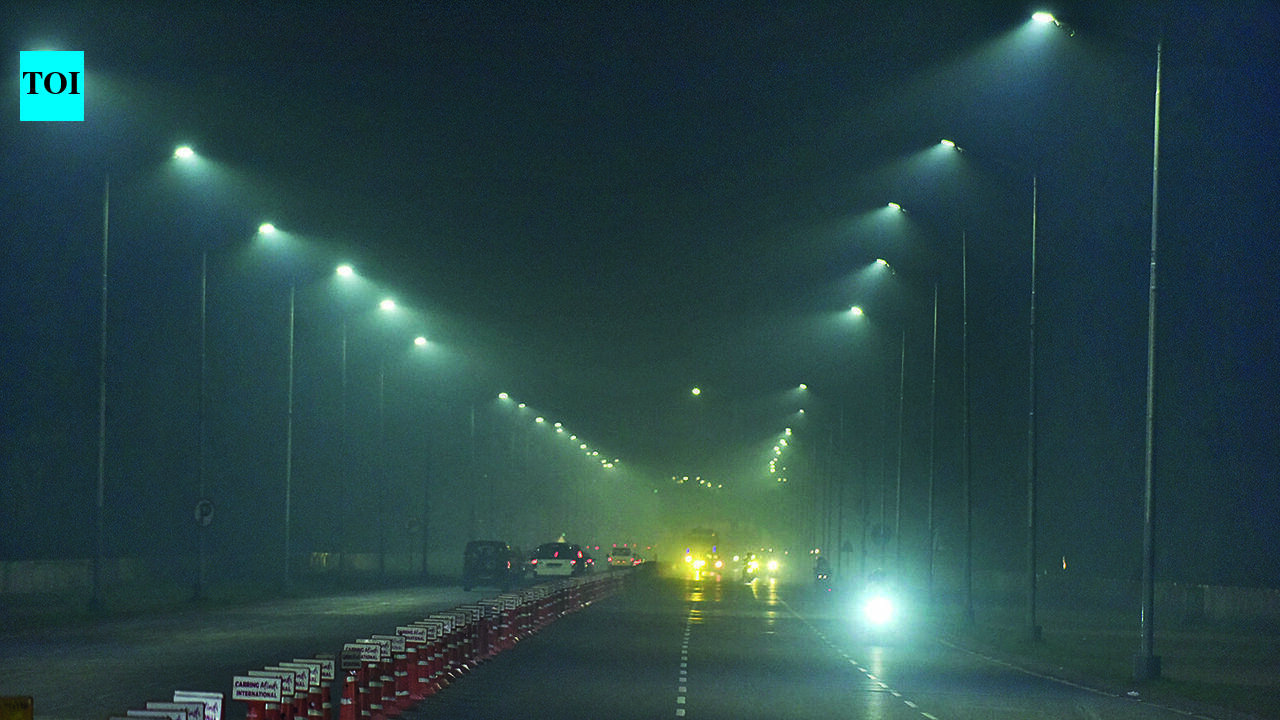
As night fell over Kolkata on the eve of Kali Puja, a cascade of fireworks erupted across the city, sending clouds of soot and metal particles into the atmosphere. Monitoring stations recorded a sudden jump in PM2.5 concentrations, pushing the ambient air quality index into the hazardous band for the first time that season. The rapid deterioration forced local authorities to issue an emergency health advisory, recommending that vulnerable groups remain indoors and that schools postpone outdoor activities.
The incident highlighted a persistent tension between cultural festivities and environmental stewardship in a densely populated metropolis. While municipal officials have long advocated for greener celebrations, enforcement of existing firecracker bans remains lax, and vendors continue to sell illegal pyrotechnics. The state pollution control board, already stretched by industrial emissions, struggled to coordinate a swift response, exposing institutional friction between the city’s civic bodies and the state environmental agency.
In the aftermath, hospitals reported a noticeable uptick in admissions for asthma and other respiratory ailments, particularly among children and the elderly. Local businesses near popular celebration zones experienced a temporary dip in patronage as shoppers avoided the smog‑filled streets. Environmental NGOs have pledged to intensify awareness campaigns, and policymakers are expected to revisit firecracker regulations ahead of next year’s festival calendar, aiming to balance tradition with public health imperatives.
Comments 0