Democrats' Midterm Victory Faces the Test of Grocery Bill Relief
With Democrats winning the midterms on a platform of affordability, the immediate challenge is to translate political mandate into tangible relief for consumers facing rising food costs. The success of this effort will determine the party's ability to maintain its political capital.
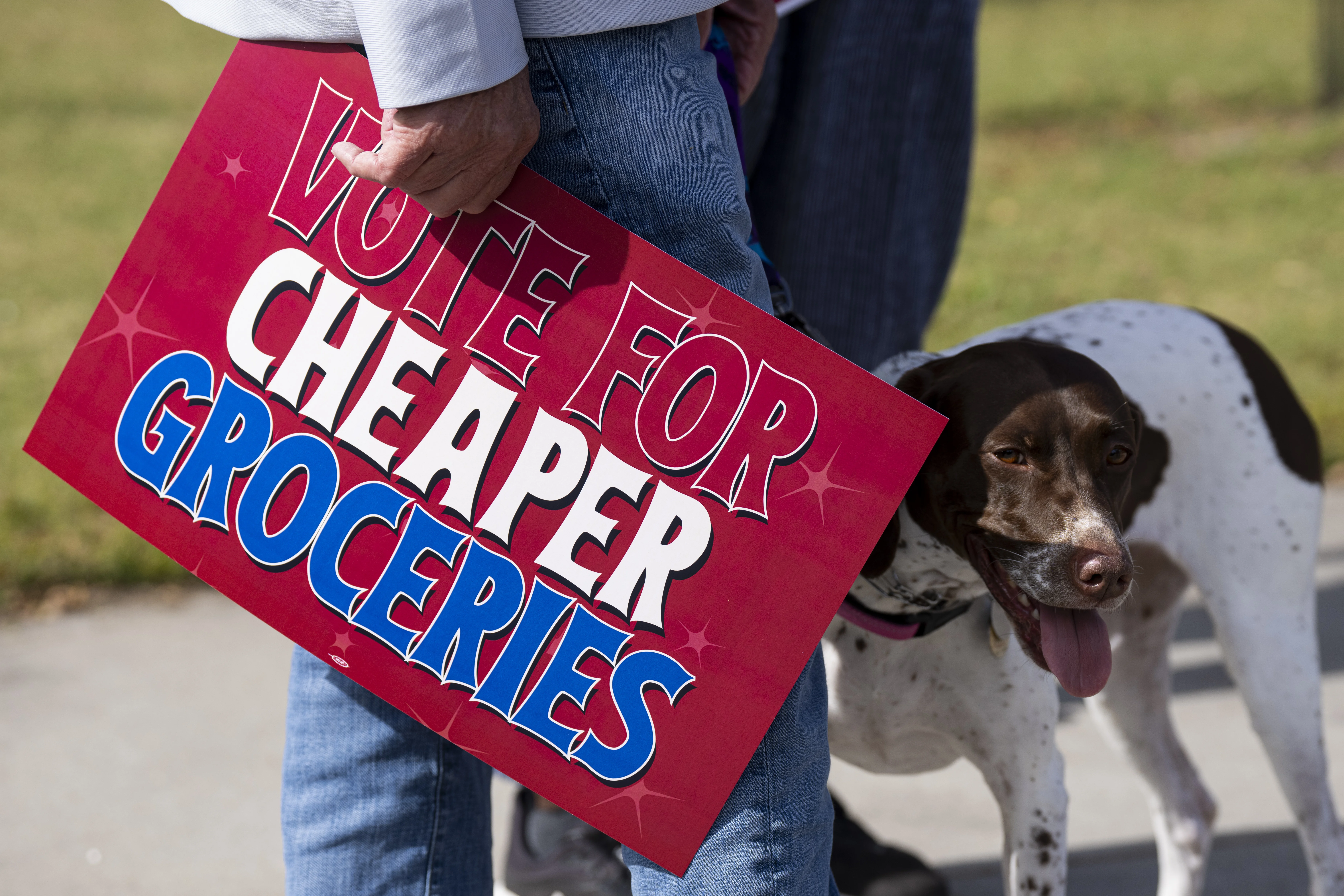
The Democratic Party's victory in the midterm elections was driven by a clear mandate from voters concerned about the rising cost of living, particularly food prices. The party now faces the critical task of translating this political capital into concrete policy actions that deliver relief to consumers. The challenge is not merely rhetorical but practical, requiring a strategic approach to addressing the structural factors that have driven up grocery bills, including tariffs and the economic fallout from the war in Iran.
The underlying tension in this scenario is the gap between political promises and economic reality. The Democrats' platform of affordability is a powerful electoral tool, but it is also a high bar that is difficult to meet in the short term. The institutional friction arises from the complexity of the global supply chain and the limited levers that the US government has to directly control food prices. This creates a situation where the party is under immense pressure to deliver results quickly, a timeline that may not align with the slower pace of economic policy implementation.
The downstream consequence of failing to deliver on this promise is a potential erosion of public trust and a loss of political capital. The tangible outcome for consumers will depend on the effectiveness of the policies implemented, which may include targeted subsidies, trade adjustments, or social safety net expansions. The long term impact of this election will be a redefinition of the Democratic Party's identity, shifting its focus from ideological purity to pragmatic economic management. This shift could have significant implications for future elections, as voters increasingly prioritize material well being over abstract political principles.
Comments 0