El Niño‑Driven Drought Fuels Indonesia’s Worst Wildfires in a Decade
A severe El Niño episode has dried out Indonesia’s forests, igniting the most extensive wildfires the country has seen in ten years and causing a toxic smog blamed for 400,000 respiratory infections. The blaze has immediately strained health services and prompted emergency declarations across multiple provinces.
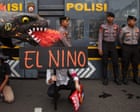
Indonesia is grappling with an unprecedented wave of wildfires, amplified by an El Niño pattern that has effectively turned off seasonal rains and left vast swaths of peatland parched. The resulting infernos have spread across Sumatra, Kalimantan, and parts of Java, producing a thick haze that blankets major urban centers. Satellite imagery confirms that the fire fronts are larger and more intense than any recorded since the early 2010s, overwhelming local firefighting resources.
Underlying the disaster is a confluence of climatic and human factors. The prolonged drought, linked to El Niño’s suppression of monsoonal moisture, has rendered peat soils highly combustible. Simultaneously, the continued use of fire for land clearing in agricultural expansion has provided ignition sources that quickly spiral out of control. Government agencies have struggled to coordinate a unified response, with jurisdictional overlaps between provincial authorities and national ministries hampering swift action.
The downstream consequences are already severe: hospitals report a surge in respiratory ailments, with estimates attributing 400,000 infections to the polluted air. Agricultural losses are mounting as smoke damages crops and disrupts supply chains. International observers warn that the haze could affect neighboring countries, prompting diplomatic pressure for stronger regional fire‑management protocols. Over the coming year, the crisis may catalyze a shift toward stricter enforcement of land‑clearing regulations and greater investment in fire‑prevention technologies across Southeast Asia.
Comments 0