Felling of Versova trees: Why take up Coastal Road infrastructure work away from sea, asks Congress neta
A Congress leader has questioned the Mumbai Coastal Road project after tree cutting commenced in the Versova neighborhood. The politician raised concerns about why construction work is shifting inland into residential areas rather than sticking to coastal alignments.
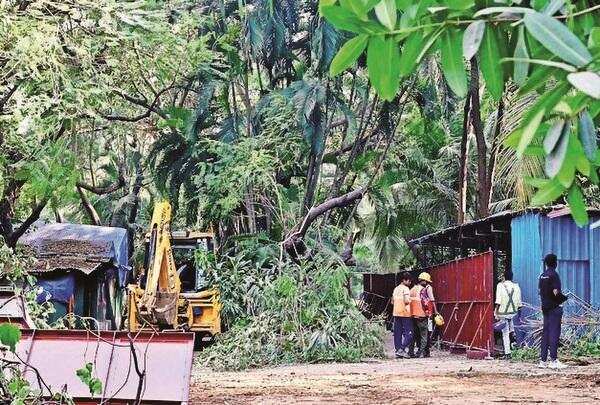
Controversy has erupted in Mumbai following the felling of trees in the Versova area for infrastructure work associated with the Coastal Road project. A prominent Congress leader publicly questioned the decision by local planning authorities to execute heavy construction away from the shoreline. The political criticism highlights growing friction between municipal officials and local representatives who contend that moving project activities into inland residential zones causes unnecessary environmental degradation and disrupts daily community life without clear operational justification.
The Coastal Road project was originally conceived to streamline transit along the western shoreline of Mumbai, easing traffic congestion between north and south corridors. However, environmental groups and local residents have repeatedly expressed alarm over urban green space loss. Tree cutting in mature residential neighborhoods like Versova has intensified public debate over urban development strategies. Citizens contend that mature trees provide essential shade, lower local temperatures, and absorb pollution, making their removal a significant loss for dense neighborhoods.
This issue matters deeply to readers across India as major metropolitan cities grapple with balancing rapid infrastructure modernization against urgent environmental sustainability goals. As municipal corporations undertake large scale transit developments, the preservation of urban green space remains a sensitive civic topic nationwide. The ongoing dispute in Versova serves as a practical example of municipal planning accountability, highlighting how infrastructure decisions directly impact local climate resilience, air quality, and public trust in government-sponsored public works projects.
Comments 0