Security Apparatus Mobilizes as Mumbai Prepares for High Profile Concert Amid Threats
Mumbai deployed over five hundred police personnel, bomb squads, and enforced strict traffic corridors for a major music concert following security threats. This massive mobilization highlights the escalating cost and administrative complexity of hosting large entertainment spectacles.
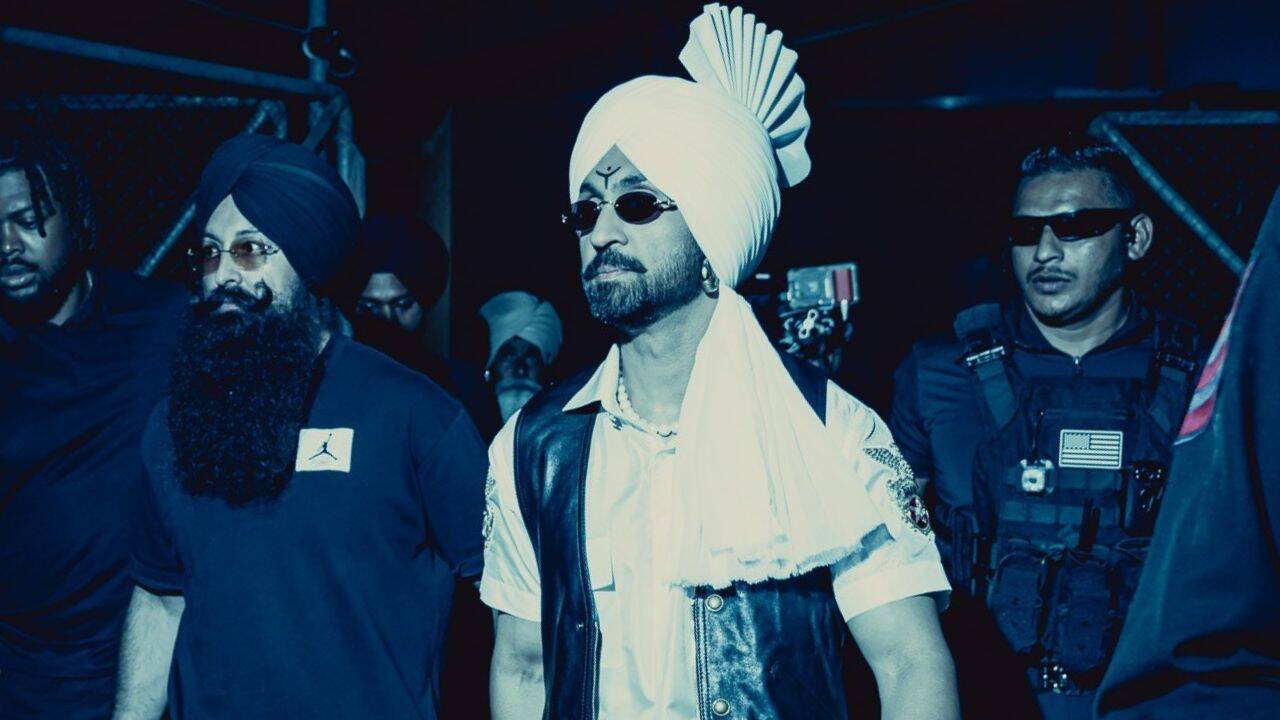
The metropolitan administration of Mumbai transformed central entertainment zones into high security fortresses ahead of a widely anticipated musical performance by Punjabi artist Diljit Dosanjh. Prompted by direct threat communications received prior to the event, law enforcement authorities deployed over five hundred specialized police personnel, bomb disposal squads, and unmanned aerial surveillance units. Concurrently, regional political factions raised parallel concerns regarding public safety and substance control at commercial racecourse venues, demanding stricter regulatory oversight for large gatherings.
This security mobilization brings to the surface deep seated municipal anxieties regarding the commercialization of public urban spaces for mass entertainment events. City planners and police officials find themselves perpetually overextended as private promoters push for high capacity concerts within densely populated urban cores. The friction between commercial entertainment revenues and civic security requirements creates continuous administrative strain, forcing local governments to divert critical public safety resources toward private events.
The immediate consequence of these rigorous measures is a friction filled logistical experience for concertgoers, marked by extensive perimeter checks, restricted vehicular access, and heightened state surveillance. For the entertainment industry, the incident signals an era of rising compliance costs and administrative hurdles that could restrict the frequency of large-scale public concerts. Over the medium term, municipal bodies will likely institute permanent cost recovery frameworks, requiring event organizers to underwrite the full public security apparatus.
Comments 0