Himachal Unveils Multi‑Trillion‑Rupee Tourism Drive
The Himachal government announced a plan to spend between Rs 10,000 and Rs 15,000 crore on tourism infrastructure over the next five years. The injection of capital is expected to reshape the state's economy and trigger a wave of private investment.
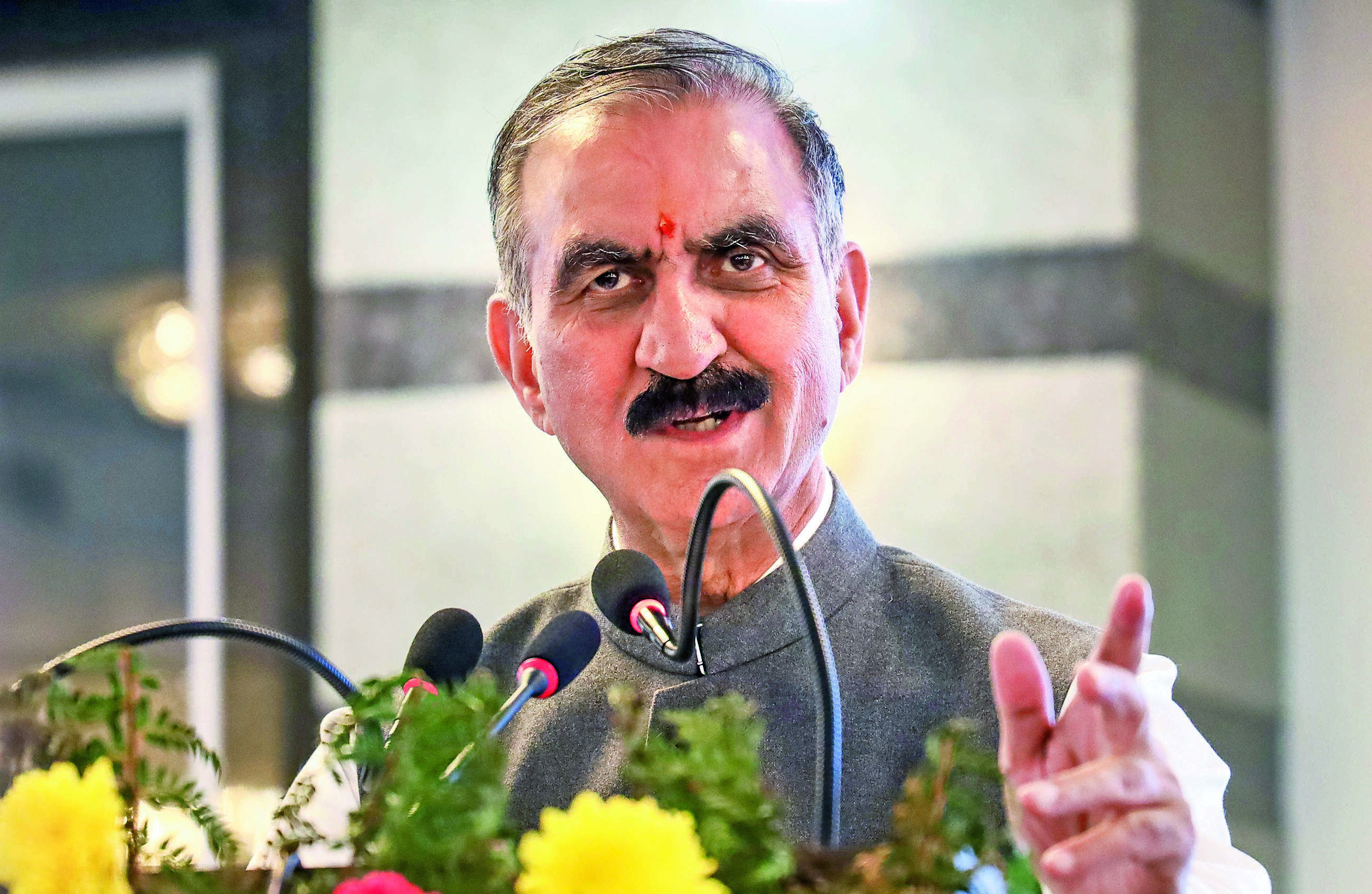
The state cabinet approved a sweeping programme that will channel billions of rupees into new hotels, adventure facilities, and heritage restoration projects across the Himalayan foothills. By earmarking funds for road upgrades, waste‑management systems, and digital promotion, officials hope to convert remote valleys into year‑round destinations for both domestic and foreign travellers. The scale of the outlay dwarfs previous tourism schemes and signals a decisive shift toward a service‑oriented growth model that could lift per‑capita income in the region.
Local business groups have welcomed the announcement, arguing that the promised infrastructure will lower transaction costs for operators and attract venture capital into ancillary sectors such as transport, food processing, and eco‑tourism. However, environmental NGOs warn that rapid construction could strain fragile ecosystems, urging the government to embed stringent sustainability criteria. The tension between development ambitions and conservation imperatives is likely to shape policy debates in the coming months, with the state planning a series of public hearings to address community concerns.
If the plan proceeds as outlined, the downstream effects will include a surge in employment opportunities, a rise in land values, and a potential re‑orientation of migration patterns as youths seek jobs in the hospitality sector. The influx of tourists could also generate higher tax revenues, enabling the state to fund social programmes in health and education. Yet the long‑term success will hinge on the ability of local authorities to manage seasonal demand, preserve cultural heritage, and ensure that the benefits of growth are broadly shared.
Comments 0