Justice Singh Calls for Technology‑Infused Policing in Uttar Pradesh
A senior judge urged the state to adopt advanced digital tools to combat evolving criminal tactics. The recommendation has sparked discussions on privacy, resource allocation, and the balance of power between law enforcement and citizens.
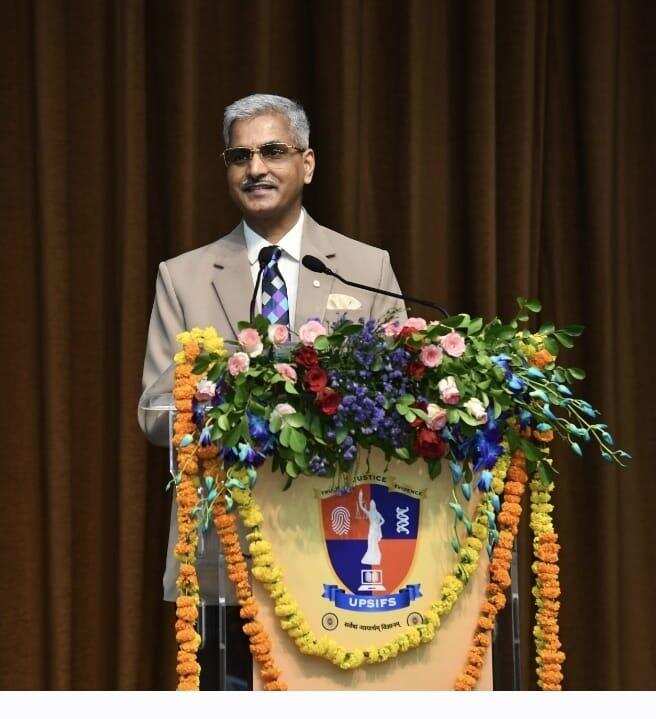
Speaking at a legal conference in Lucknow, Justice Singh emphasized that traditional policing methods are increasingly inadequate against cyber‑fraud, organized crime, and sophisticated weaponry. He advocated for the deployment of real‑time data analytics, facial‑recognition cameras, and integrated command centres that could coordinate across districts. The judge warned that without such upgrades, the criminal justice system risks being outpaced by networks that exploit technological loopholes, thereby eroding public confidence in law enforcement.
State officials have begun drafting a roadmap that includes partnerships with technology firms, training programmes for officers, and a legislative framework to govern data usage. Civil liberty groups, however, have raised alarms about potential overreach, citing examples from other jurisdictions where surveillance tools have been misused. The debate has moved into the legislative arena, with opposition parties demanding robust oversight mechanisms and transparent audit trails before any large‑scale rollout.
If the technology agenda proceeds, the immediate outcome will be a more coordinated response to high‑profile crimes and a possible reduction in case clearance times. Over the next year, the state may witness a shift in policing culture, with officers relying more on digital intelligence than on manual patrols. Yet the success of the initiative will depend on the establishment of clear accountability structures to prevent erosion of civil liberties.
Comments 0