India and Nepal Prepare Joint Energy and Technology Accord on Balen Shah’s Inaugural Visit
Prime Minister Narendra Modi and Nepalese Prime Minister Balen Shah are set to sign agreements covering energy, infrastructure and technology during Shah’s first official trip to New Delhi. The pacts aim to deepen bilateral trade and create new channels for cross‑border investment.
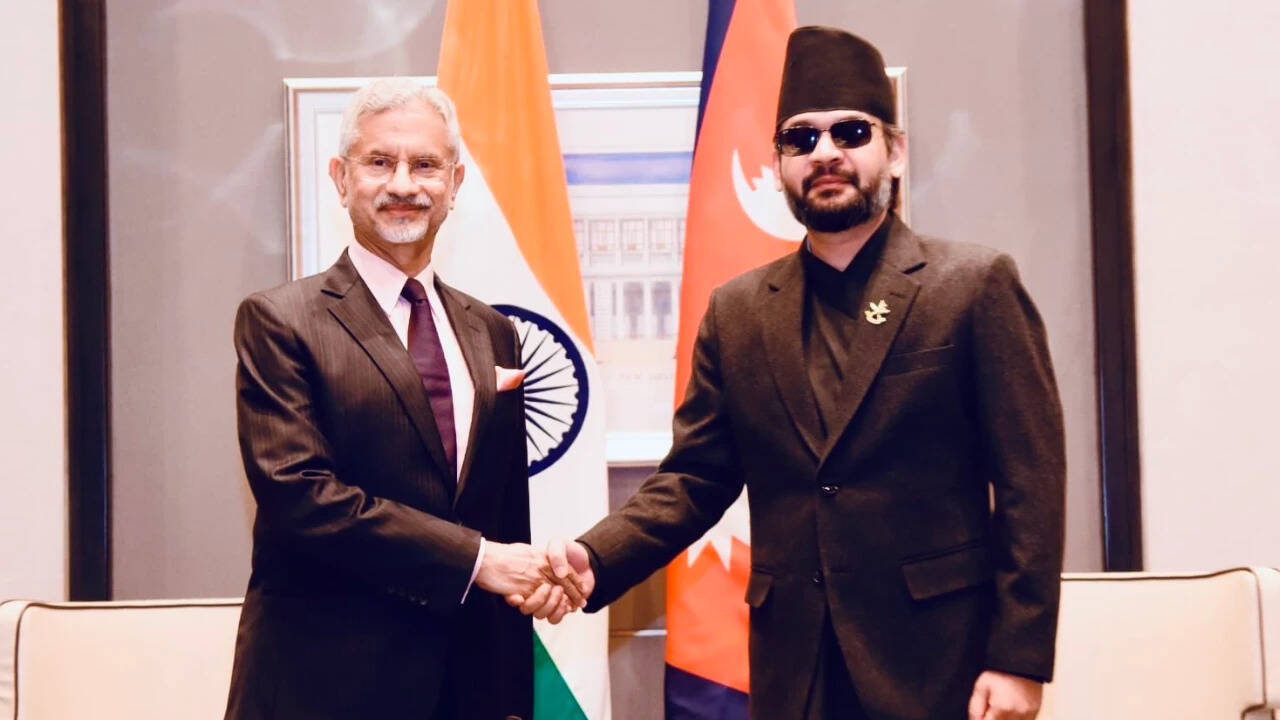
The concrete rupture materialised as both governments announced a schedule of three memoranda of understanding to be signed at the bilateral summit. The documents encompass joint development of hydro‑electric projects, coordinated upgrades to transport corridors, and collaborative research in digital technologies. Officials from both ministries highlighted the mutual benefits of shared resources, noting that Nepal’s untapped water potential could complement India’s growing energy demand while Indian firms stand to gain access to new markets.
Underlying tension emerges from historic disputes over water sharing and border demarcation, which have occasionally strained the relationship. By framing the agreements around mutually beneficial projects, both sides seek to mitigate lingering mistrust and present a united front against competing regional powers. The diplomatic choreography of the visit also reflects internal political calculations, as each leader leverages the partnership to bolster domestic support ahead of upcoming elections.
Downstream casualties will be observed in the form of accelerated infrastructure spending and a surge in cross‑border trade flows. Energy grids on both sides are expected to integrate, potentially lowering electricity costs for consumers and fostering industrial growth. Over the coming year, the accords may catalyse a wave of private‑sector joint ventures, reshaping regional supply chains and influencing the strategic calculus of neighboring nations.
Comments 0