India Slashes Petrol Price to Zero, Raises Diesel Tax in Shock Move
The government announced a zero rupee retail price for petrol while imposing a higher excise duty on diesel, sending ripples through the fuel market. The decision sparked immediate debate among motorists, industry bodies and fiscal watchdogs.
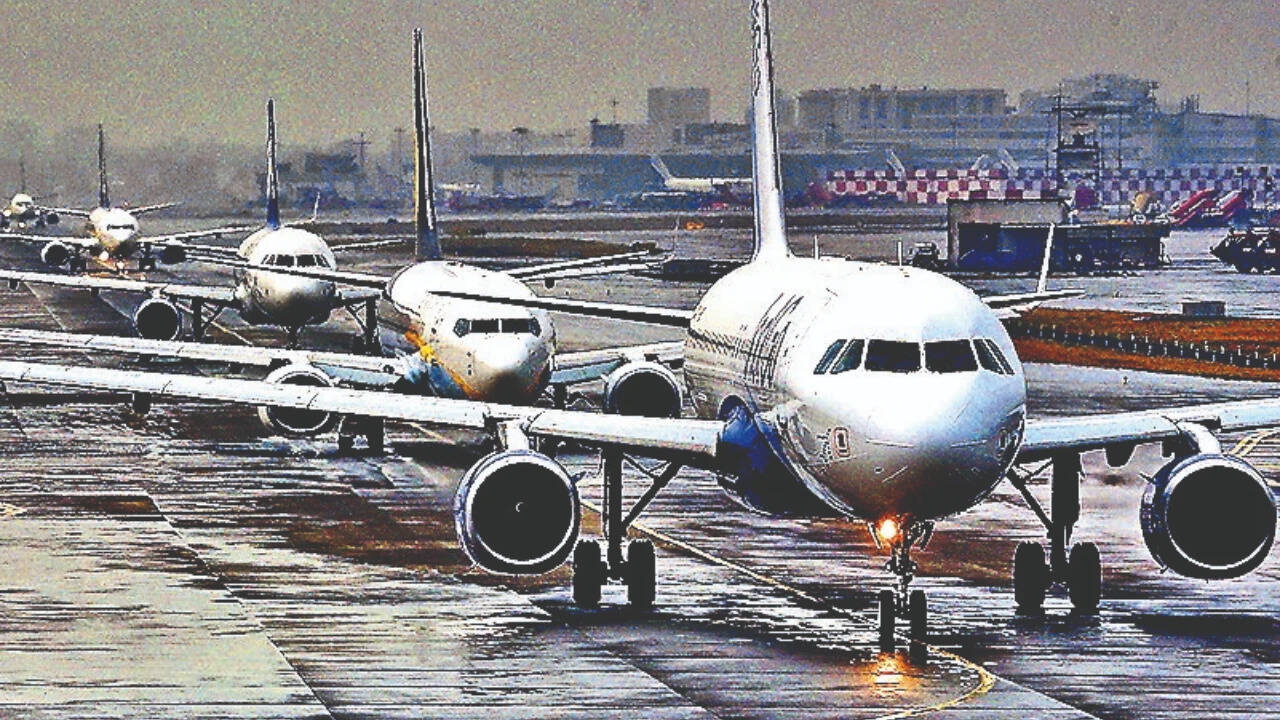
The Ministry of Finance unveiled a bold pricing experiment that eliminated the retail cost of petrol across the nation, a measure intended to ease household budgets ahead of the festive season. Simultaneously, the excise duty on diesel was lifted by several percentage points, a shift that reflects the government's attempt to balance revenue needs with political pressure to curb living costs. The announcement was delivered through a televised briefing, with officials citing volatile global oil markets and a desire to protect low‑income consumers as primary motivations.
Behind the headline lies a clash between revenue imperatives and populist expectations. The finance ministry, tasked with narrowing the fiscal deficit, faces a narrowing tax base as diesel consumption accounts for a sizable share of transport and logistics expenses. Meanwhile, the petroleum ministry argues that the diesel surcharge will offset the loss of petrol revenue and discourage excessive use of the heavier fuel. State governments, which receive a share of fuel levies, have voiced concerns about the impact on their own coffers, setting the stage for inter‑ministerial negotiations that could reshape fiscal policy for months to come.
The reverberations will be felt across multiple sectors. Automobile manufacturers anticipate a surge in sales of small‑engine vehicles, while logistics firms brace for higher operating costs that may be passed on to consumers. Environmental groups warn that a zero‑price petrol could encourage wasteful driving, undermining emission reduction targets. Politically, the move offers the ruling party a short‑term boost in public sentiment, but the longer‑term fiscal strain may provoke criticism from opposition parties and fiscal analysts alike.
Comments 0