Institutional Autonomy at Stake as Noel Tata Defends Private Structure for Tata Sons
Noel Tata has publicly asserted that Tata Sons must remain unlisted and actively negotiate its regulatory classification with the central bank. This stance challenges sweeping financial norms that would otherwise force the holding entity into public markets.
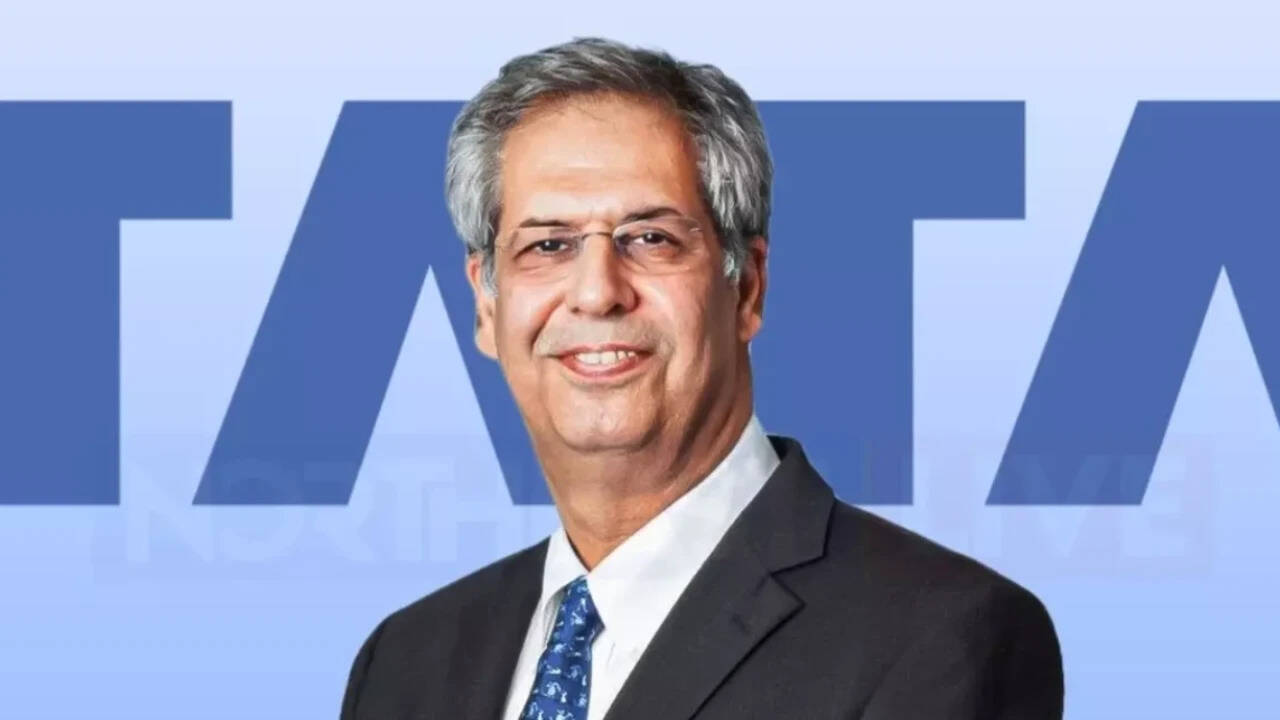
The debate surrounding the corporate architecture of India's most influential conglomerate has reached a critical juncture. Noel Tata articulated a definitive vision maintaining that the parent entity must preserve its unlisted status, resisting pressures from statutory interpretations that classify large core investment companies as upper layer non-banking financial entities. The underlying tension stems from a collision between legacy philanthropic governance structures and modern securities regulations designed to enforce public accountability and transparency. At the heart of the disagreement lies the requirement by financial authorities for large investment holding firms to list their shares publicly within a specified statutory timeframe. The leadership structure of the conglomerate argues that public listing would dilute the philanthropic mandate of the Tata Trusts, which utilize dividend revenues from the holding company for large-scale social welfare initiatives. Critics and regulatory purists, however, maintain that conglomerates of this systemic scale cannot enjoy exemptions from governance frameworks meant to mitigate systemic financial risks across the broader economy. The resulting stalemate places immense pressure on executive leadership to forge a compromise with the Reserve Bank of India without triggering a massive restructuring of ownership assets. If the holding company fails to secure an exemption or alternative categorization, minority shareholders and external institutional investors stand to gain unprecedented entry into the nerve center of the empire. Conversely, a successful negotiation will cement the enduring primacy of private philanthropic control over commercial industrial dominance in the nation.
Comments 0