Corporate Governance at Tata Trusts Draws Ex-CJI Assessment on Leadership Majority
A former Chief Justice of India has asserted that Tata Sons Chairman N. Chandrasekaran requires explicit majority support from Tata Trusts nominees to secure corporate authority. This legal reading introduces new governance complexities to India's most influential philanthropic conglomerate.
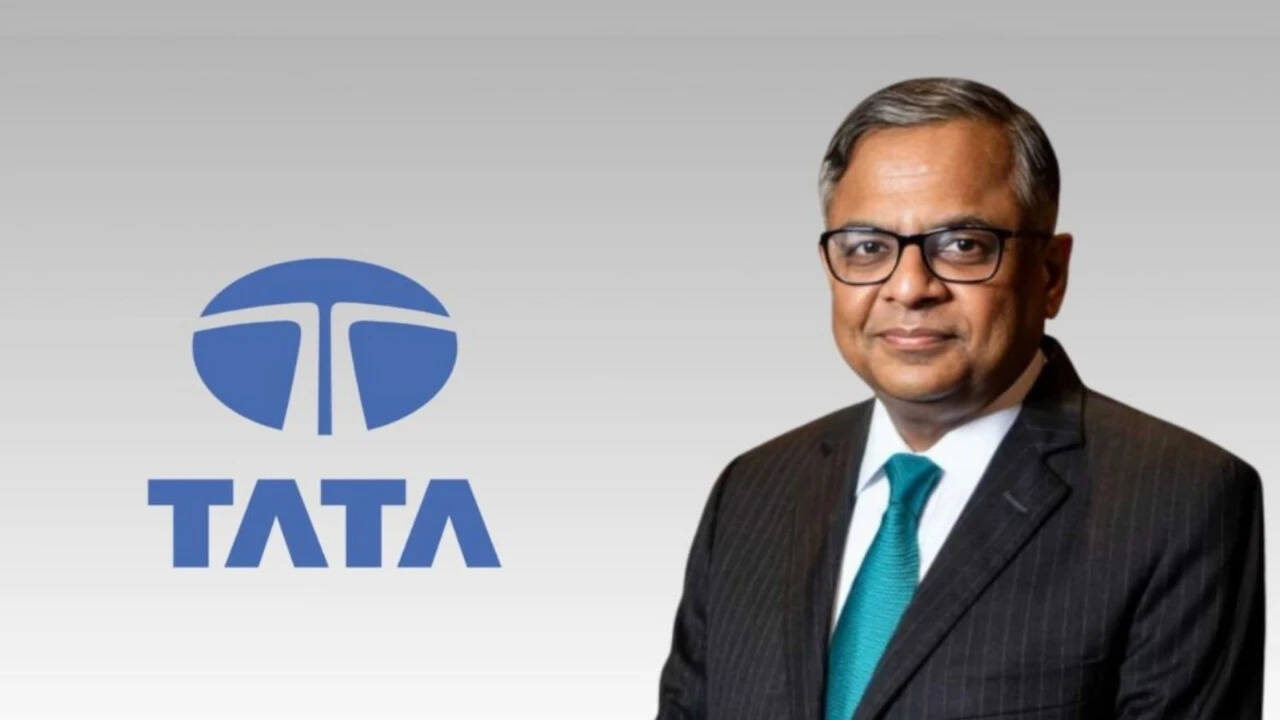
The intricate governance architecture governing the Tata empire faced renewed scrutiny as legal experts weighed in on the power dynamics between operational executives and philanthropic trustees. The assertion by a former Chief Justice highlights the structural supremacy held by the Tata Trusts in determining corporate leadership continuity. Operating at the intersection of commerce and charity, the conglomerate's unique holding structure ensures that boardroom stability remains inextricably tied to trust-level alignments. At the heart of this discussion lies the inherent tension between professional management and trustee oversight within Indian business houses. While executive leadership drives daily market capitalization and technological adaptation, the ultimate fiduciary power rests with the guardians of the philanthropic trusts. This duality creates potential friction points whenever strategic visions diverge between the corporate headquarters at Bombay House and the boardrooms of the controlling trusts. The immediate consequence is heightened investor watchfulness over corporate stability and leadership succession planning within the Tata ecosystem. Institutional shareholders are now reassessing how internal trust dynamics might influence long-term capital allocation and strategic market maneuvers.
Comments 0