Tata Group Boardroom Dispute Escalates Around Leadership Succession Timelines
Internal deliberations reveal a push for an early five-year mandate for N. Chandrasekaran at the helm of the Tata conglomerate. This governance maneuver highlights sharp friction within major industrial stakeholders regarding corporate stability.
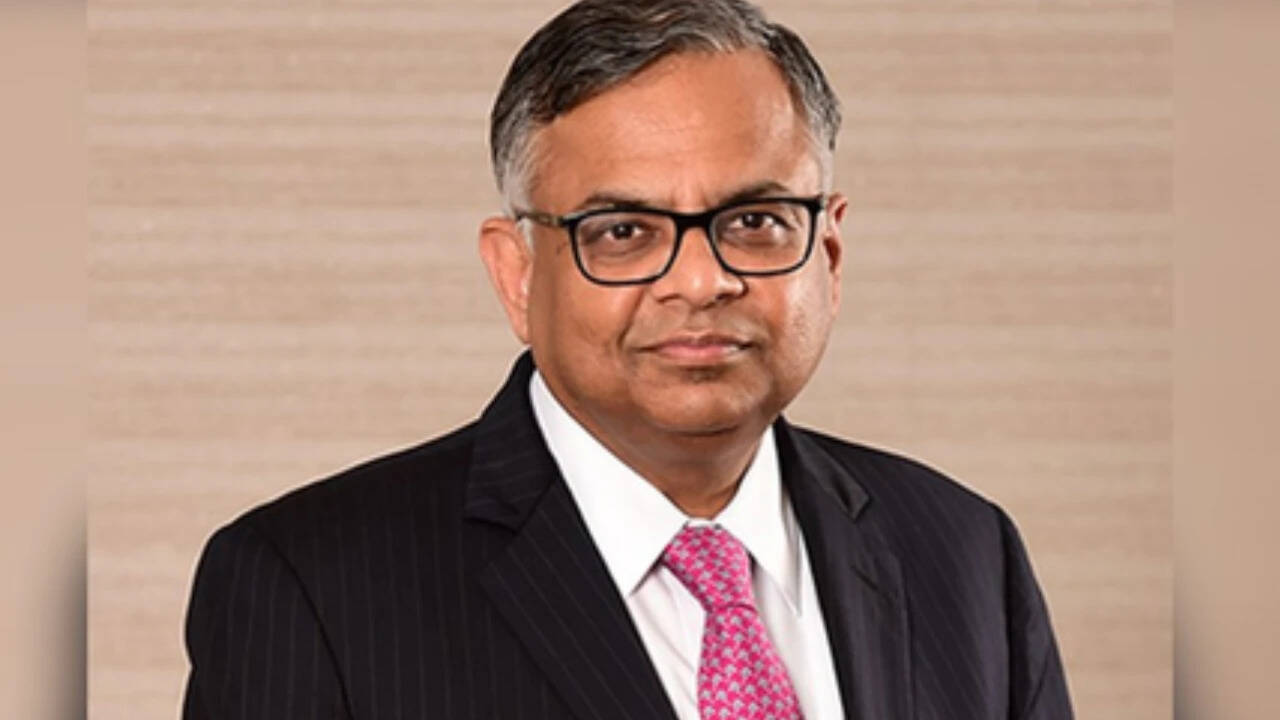
The foundational stability of India's largest conglomerate faces a quiet test as governance panels maneuver to secure executive continuity. Documents and panel discussions from early September indicate strong institutional backing for a definitive five-year term extension for chief executive N. Chandrasekaran. This push arrives amidst shifting alignments within the holding trusts and operating companies, signaling an urgency to insulate the sprawling industrial empire from external volatility and internal board friction. At the core of this administrative effort lies a battle for predictability. Corporate titans overseeing steel, software, and automotive divisions require uninterrupted strategic execution, particularly as global supply chains and digital markets undergo rapid transformation. Yet, the push for an extended mandate exposes underlying tensions between traditional family-aligned stewardship and modern professional governance expectations. Dissenting factions within advisory circles argue for shorter review cycles to maintain tighter board oversight over major capital allocation decisions. The immediate outcome of these boardroom negotiations will dictate the operational velocity of the entire enterprise. Should the five-year term be codified without dissent, investors can expect steady continuity in ongoing restructuring and technological investments. Conversely, prolonged debate risks distracting executive leadership at a time when macroeconomic headwinds demand undivided strategic focus across global markets.
Comments 0