Boardroom Power Struggle Erupts at Tata Sons Over Leadership Extension
The Tata Sons board has granted N. Chandrasekaran an additional five-year tenure, triggering immediate legal challenges from major philanthropic trusts. This dispute exposes deep structural fault lines regarding control and governance at the summit of India's largest industrial conglomerate.
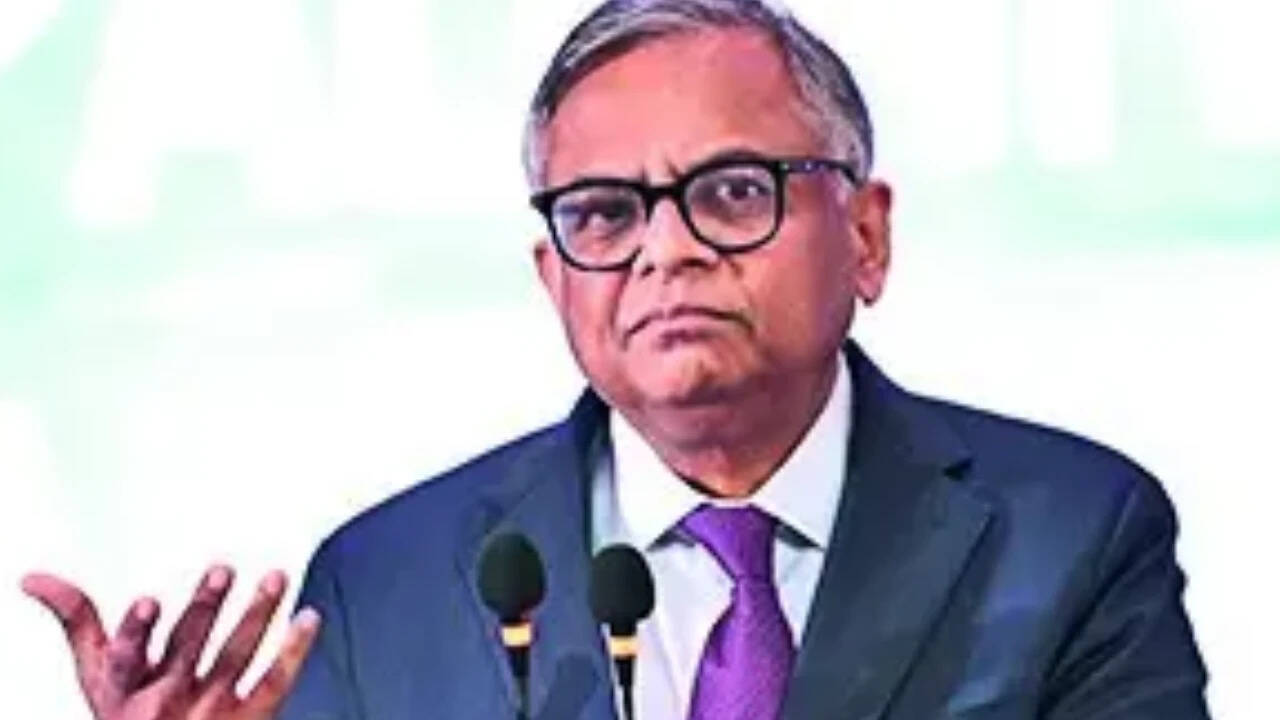
The decision by the Tata Sons board to extend the leadership tenure of N. Chandrasekaran for another five years has unleashed an open confrontation within the upper echelons of corporate India. While the corporate board moved swiftly to secure continuity at the helm, the governing body of the Tata Trusts publicly denounced the move as legally invalid. This rare public division shatters the traditional veneer of consensus that has long shielded the conglomerate from external shareholder friction and internal boardroom warfare. The core of the conflict lies in the delicate balance of power between commercial management and the philanthropic entities holding the controlling equity stake. The trusts, which retain ultimate authority over the direction of the holding company through historic governance frameworks, view the unilateral board extension as a direct challenge to their oversight prerogatives. Such friction illuminates the inherent structural ambiguity in managing a multi-billion dollar commercial enterprise tethered permanently to charitable foundations. As the dispute heads toward judicial and arbitral forums, the immediate casualty is corporate certainty across the entire Tata ecosystem. Subsidiary companies now face an atmosphere of administrative paralysis while institutional investors reevaluate the stability of their long-term holdings. The outcome of this institutional showdown will permanently redefine the limits of executive autonomy versus trustee dominance in India's corporate governance architecture.
Comments 0