Jamia Millia Islamia Orders Union Elections, Students Vow Continued Protest
Jamia Millia Islamia announced student‑union elections within fifteen days of constitutional approval, prompting an immediate rejection and renewed agitation from the student body. The standoff highlights deep‑seated disagreements over campus governance and the role of student representation in academic institutions.
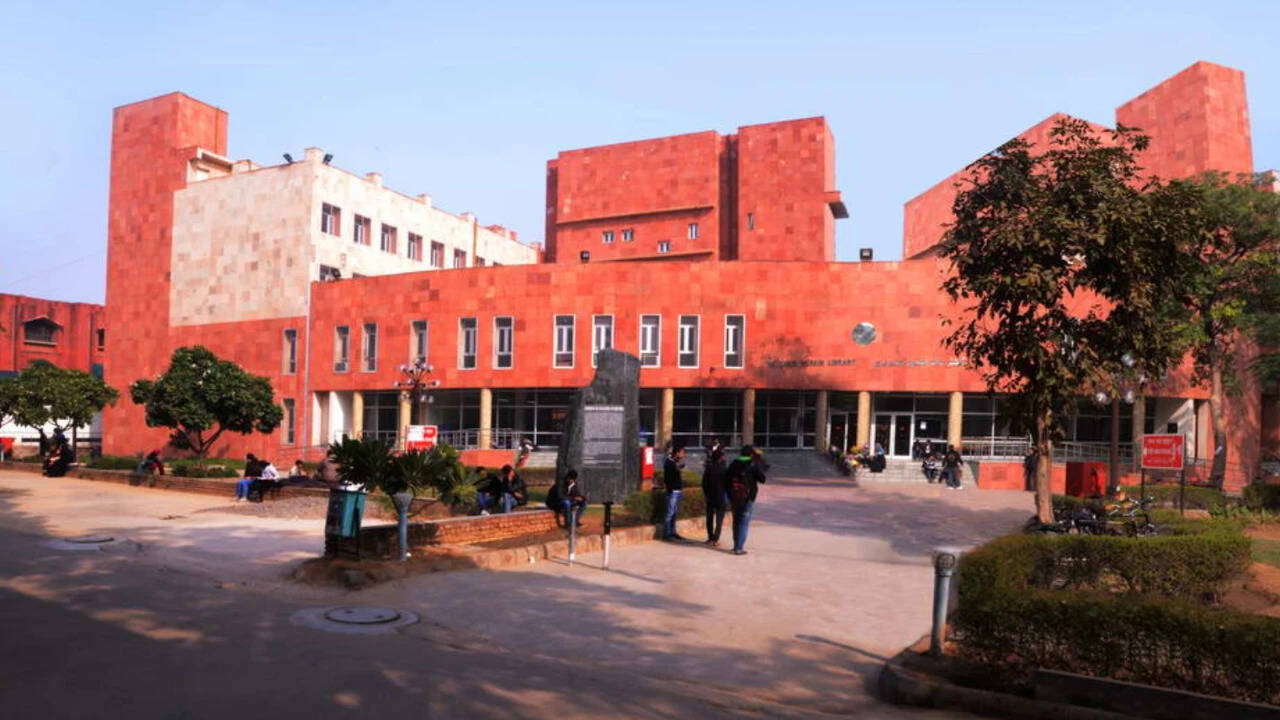
Following a two‑decade hiatus, the university administration issued a directive mandating the conduct of student‑union polls, citing recent amendments to its internal constitution that ostensibly facilitate democratic participation. The announcement arrived amid a climate of heightened political awareness on campuses across the nation, where student organisations have increasingly asserted their influence over policy debates and social movements. Administrators argued that the elections would restore a formal channel for student voices, while critics viewed the timing as an attempt to co‑opt independent activism.
Students responded with swift defiance, organising sit‑ins, issuing statements of dissent, and pledging to sustain their protests until the university rescinds the order. The campus atmosphere grew tense as faculty members were drawn into the dispute, some urging dialogue and others warning of potential disciplinary actions. The broader academic community observed the developments closely, recognizing the episode as a microcosm of the larger struggle between institutional authority and grassroots mobilisation within Indian higher education.
The confrontation is poised to affect not only the internal dynamics of Jamia Millia Islamia but also the national discourse on student autonomy. Should the university proceed with the elections despite opposition, it may set a precedent for other institutions seeking to formalise student representation under contested circumstances. Conversely, a reversal could embolden student movements elsewhere to demand greater transparency and participation in governance structures, potentially reshaping the balance of power between administrators and the student constituency.
Comments 0