Jamia Millia Islamia Shifts Entire Curriculum Online Amid Student‑Protest Standoff
The university in Delhi moved all classes to a virtual platform after negotiations with student bodies broke down, and allegations of assault surfaced. The decision underscores a widening rift between campus authorities and activist groups demanding safety assurances.
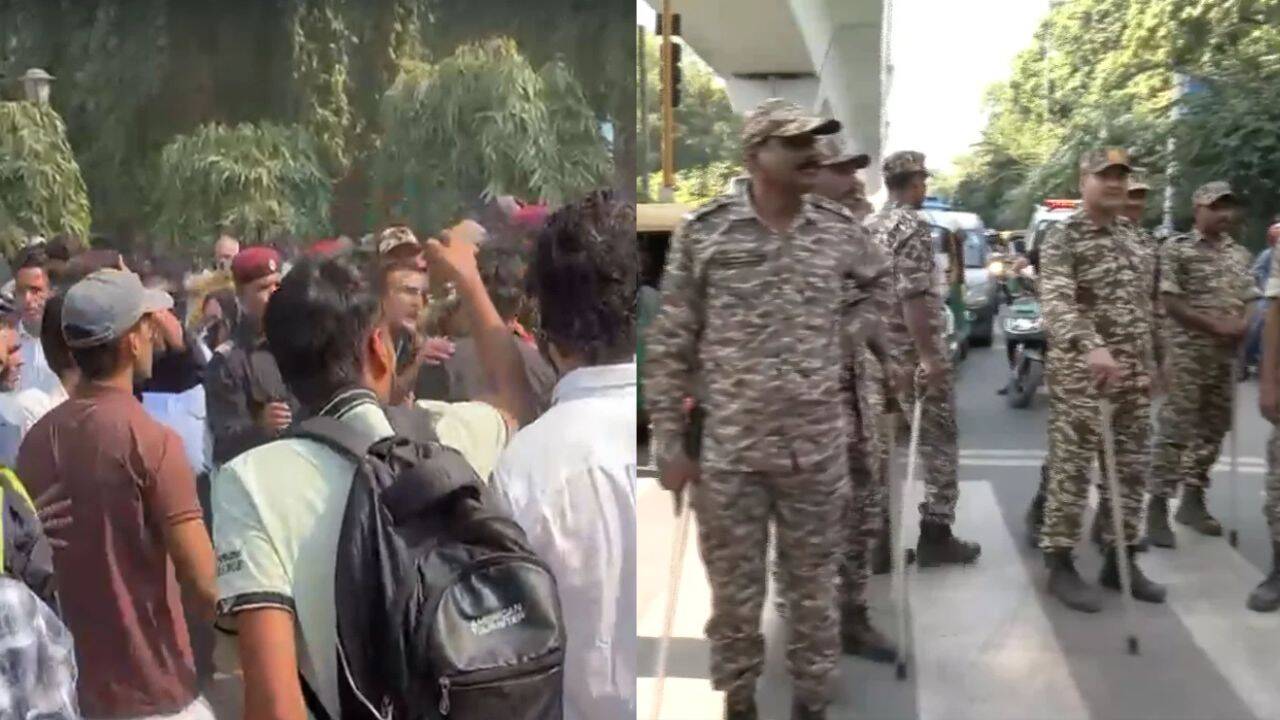
The concrete rupture was marked by the university's abrupt announcement that every lecture, laboratory session, and examination would be conducted through digital means. Administrators cited escalating threats to student welfare and the inability to guarantee secure premises as justification for the shift. The move left thousands of students scrambling to secure reliable internet access, while faculty members grappled with adapting curricula designed for in‑person interaction to a remote format.
Underlying tension stems from a series of confrontations between the administration and the All India Students' Association, which accused officials of failing to protect demonstrators during recent protests. Reports of physical altercations during negotiation attempts have intensified distrust, prompting the student union to demand an independent inquiry. The university, meanwhile, argues that the online transition is a temporary safeguard, yet critics view it as an attempt to dilute dissent by dispersing the campus community.
The downstream casualties are likely to be felt in academic performance and institutional reputation. Prolonged reliance on virtual instruction may widen the achievement gap for students lacking adequate technological resources, potentially affecting graduation rates. Moreover, the episode could influence prospective enrolments, as families weigh the stability of campus life against the allure of alternative institutions. In the longer term, the incident may catalyze policy reforms concerning campus security and student‑rights mechanisms across Indian higher‑education establishments.
Comments 0