Judicial Scrutiny Exposes Operational Vulnerabilities in Inter-State Border Checkpoints
The Patna High Court has reprimanded state law enforcement agencies over severe security lapses and procedural gaps discovered during a major contraband seizure. The judicial intervention highlights systemic failures in narcotics interdiction along state transit corridors.
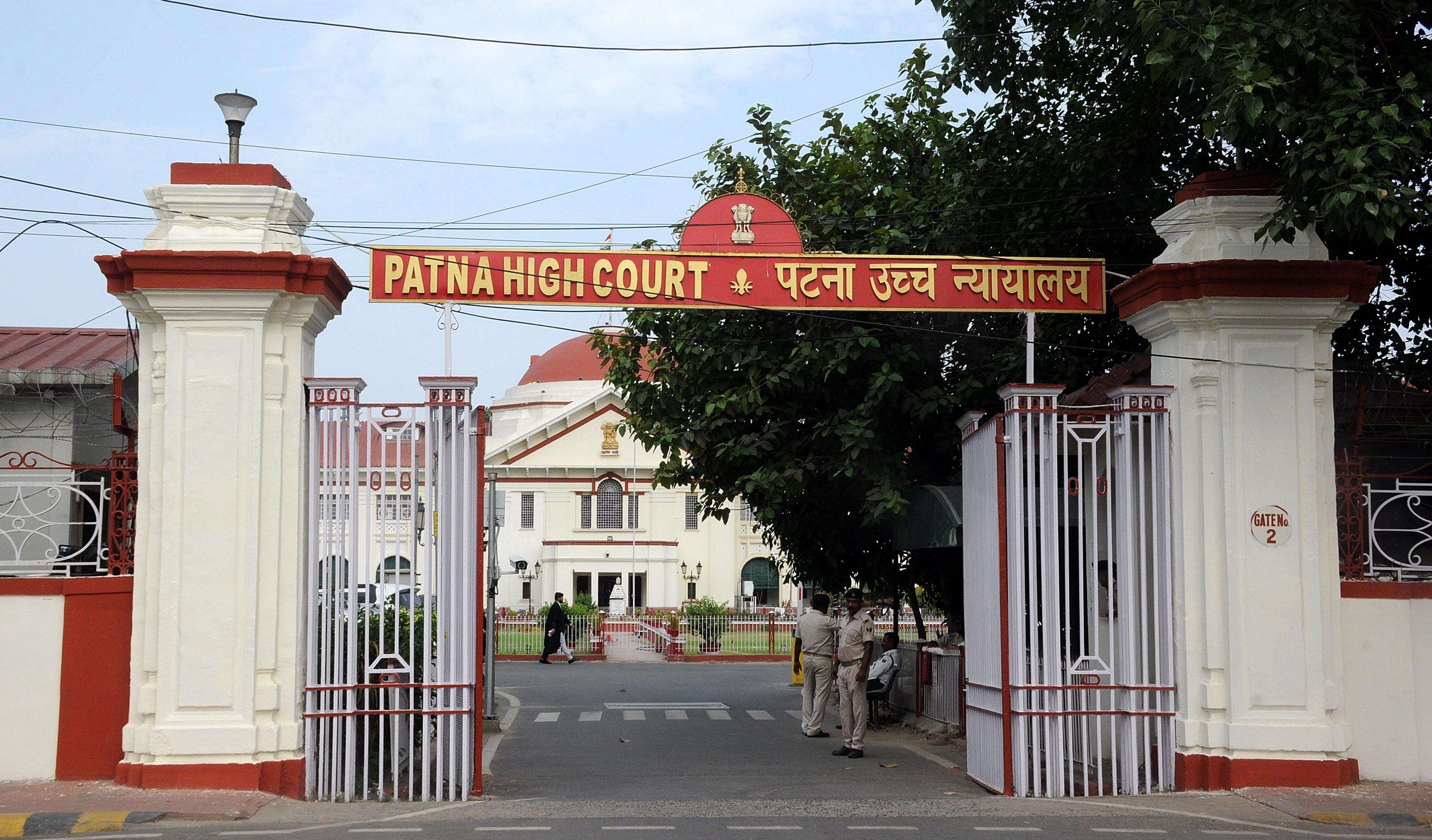
In a pointed critique of regional policing standards, the Patna High Court has highlighted critical security gaps at provincial checkpoints following an evidentiary review of a narcotics seizure. Magistrates noted that routine vehicle inspections frequently lack the procedural rigor required to secure convictions, pointing to compromised chain-of-custody protocols and inadequate surveillance technology. The judicial rebuke exposes the gap between official claims of border security and the administrative reality on the ground. This friction reflects a broader institutional challenge where under-resourced police forces attempt to police vast transit networks using archaic methods and unmotivated personnel. Border checkpoints often function as sites of routine rent-extraction rather than professional criminal interdiction, undermining state efforts to stem the flow of illicit substances. When cases reach higher courts, slipshod investigative work routinely unravels under legal scrutiny. The tangible consequence of these systemic deficiencies is a low conviction rate in major narcotics cases, emboldening organized trafficking networks that operate across state lines. Police leadership will be compelled to institute mandatory digital logging and upgraded surveillance at all major entry points. Judicial oversight is increasingly becoming the primary catalyst for modernizing frontline law enforcement procedures.
Comments 0